El Salvador Boosts Regional Agriculture as Morazán Cacao Producers Complete Advanced Training
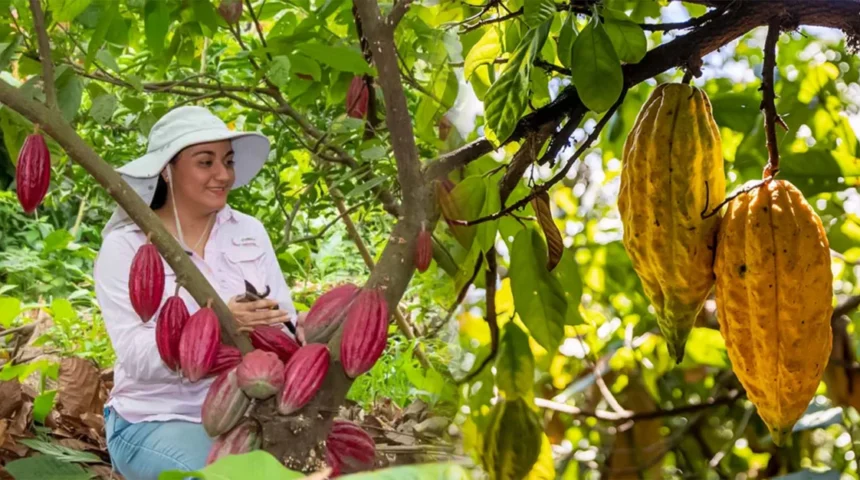
In a major push to modernize local agriculture, cocoa producers from Morazán North and South recently completed intensive hands-on training in advanced grafting techniques and nursery management. Organized by El Salvador’s Ministry of Local Development (MINDEL) as part of the Productive Reforestation Program with High-Value Cacao, the hands-on sessions in Osicala equipped growers with elite propagation skills designed to increase farm yields and long-term crop quality.
The comprehensive workshops represent a significant step forward in the region’s agricultural strategy, bringing together farmers eager to adopt modern scientific practices to improve their harvests. By focusing on the core fundamentals of plant science, the Ministry of Local Development aims to transform traditional farming methods into highly efficient, sustainable commercial enterprises. The initiative directly targets the economic well-being of rural communities in Morazán, ensuring that local growers have access to the technical expertise required to thrive in competitive agricultural markets.
During the workshop, participants delved deeply into cacao genetics, variety compatibility, and pest-prevention strategies. Understanding the complex genetic traits of different cocoa varieties is essential for mitigating risks associated with climate variability and regional plant diseases. Farmers practiced selecting top-performing growth patterns and vegetative buds, known locally as varetas, from proven, disease-resistant trees to multiply top-tier cacao varieties. This meticulous selection process ensures that only the strongest and most productive genetic lines are propagated across local farms.
Program technician Moisés Torres emphasized the transformative potential of these techniques during the training sessions, noting that grafting allows producers to replicate the best traits of selected trees and significantly optimize plantation efficiency. By mastering the art of joining scions to resilient rootstocks, growers can bypass the lengthy and unpredictable development phases associated with growing cocoa from unselected seeds. This targeted approach enables farmers to cultivate uniform orchards characterized by superior disease resistance, robust structural integrity, and high-volume pod production.
Beyond pure cacao cultivation, the initiative actively integrates innovative agroforestry systems by intercropping cacao with companion species such as paterna, cují, and plantains. This multi-crop approach creates crucial shade for delicate cocoa plants, which naturally thrive beneath the canopy of larger forest species during their early development stages. Furthermore, this integrated ecological model promotes land reforestation by restoring native biodiversity and enriching the local topsoil through natural organic matter accumulation.
The inclusion of companion crops also provides farming families with secondary sources of harvest and diversified income streams throughout the agricultural calendar. While cacao trees require specific maturation periods before producing commercial yields, companion species like plantains and legumes yield regular, shorter-term harvests that help stabilize household finances. This dual economic and ecological benefit ensures that participating farming communities can sustain their livelihoods while building resilient, long-term agroforestry assets.
To ensure immediate practical impact on the ground, MINDEL supplied producers with high-grade cocoa and fruit seedlings, backed by ongoing technical guidance and field monitoring. Providing high-quality planting material removes a major financial barrier for smallholder farmers who might otherwise struggle to acquire elite agricultural inputs. Ministry agronomists continue to work side-by-side with growers in the field, offering continuous supervision and advisory support to guarantee that the newly established nurseries and grafted trees are properly maintained through their critical early growth stages.
By pairing superior genetics with sustainable agroforestry, El Salvador is positioning its regional cocoa sector for improved market competitiveness and sustainable economic growth. The integration of modern propagation science with traditional farming wisdom reflects a balanced, forward-thinking approach to rural development. As these newly trained producers return to their lands in Morazán North and South to implement their advanced skills, the foundation is set for a more productive, resilient, and economically vibrant future for the nation’s cocoa industry.

Related News