El Salvador’s Economy Surges Toward a Strong 2026 Close Backed by Robust Growth and Major International Upgrades
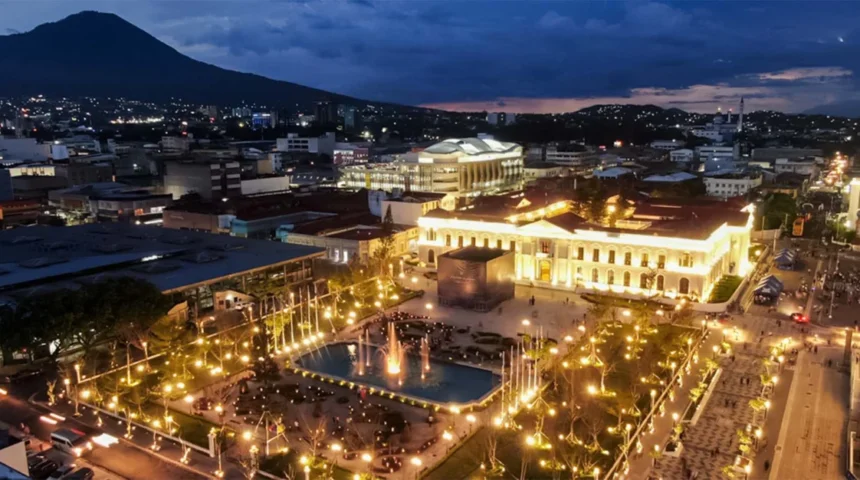
El Salvador is positioning itself for a notably strong economic close heading toward 2026, reinforced by an impressive 5.1% gross domestic product surge in the second quarter and favorable projections ranging between 4.5% and 5% issued by the Central Reserve Bank. This upward momentum has not gone unnoticed on the global stage, as prominent international financial institutions—including the World Bank, the International Monetary Fund, and the Economic Commission for Latin America and the Caribbean—have recently upgraded their macroeconomic forecasts for the Central American nation to a solid 4.5%. This broad-based international recognition reflects a resilient domestic performance across several vital sectors, including construction, healthcare, energy, mining, and recreation, signaling a diversified economic foundation capable of weathering external shifts.
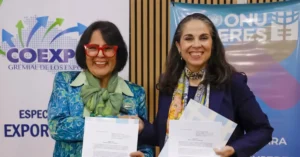
The country’s ability to sustain this growth trajectory comes despite ongoing global economic volatility, persistent supply chain fluctuations, and geopolitical tensions that continue to drive inflationary pressures across many parts of the world. Economy Minister María Luisa Hayem emphasized that local businesses, entrepreneurs, and the national workforce have demonstrated a remarkable degree of adaptability and resilience in the face of these external pressures. Noting the complex international landscape, Hayem pointed out that the domestic economy continues to display fundamental strength while government authorities maintain continuous oversight of market conditions to deploy necessary measures as situations evolve.
Key performance indicators further underscore this upward trajectory, revealing steady expansion in international trade and commerce. Between January and September, Salvadoran exports grew by 4% compared to previous periods, significantly expanding the country’s global reach. This trade diversification is highlighted by the successful introduction of 204 new Salvadoran products entering international markets for the first time. Furthermore, trade facilitation remains a paramount priority for the administration, supported by 180 ongoing measures designed to streamline commercial procedures, reduce bureaucratic friction, and foster a more competitive business environment. These efforts are further complemented by a substantial $150 million World Bank initiative specifically aimed at accelerating national employability and workforce development.
Underpinning these positive macroeconomic results is the nation’s dramatic improvement in public safety, a transformation that government officials credit as a fundamental catalyst for commerce, foreign direct investment, and job creation. Minister Hayem noted that modern economic analysis of El Salvador cannot overlook the profound influence of security on market behavior, consumer confidence, and commercial expansion. The country’s evolution into a stable and secure environment has fundamentally altered the landscape for business investment, laying a dependable foundation for long-term commercial planning and daily life.

Related News