El Salvador Proposes $85.5 Million Tourism Investment for 2027 as International Arrivals Reach 3.2 Million
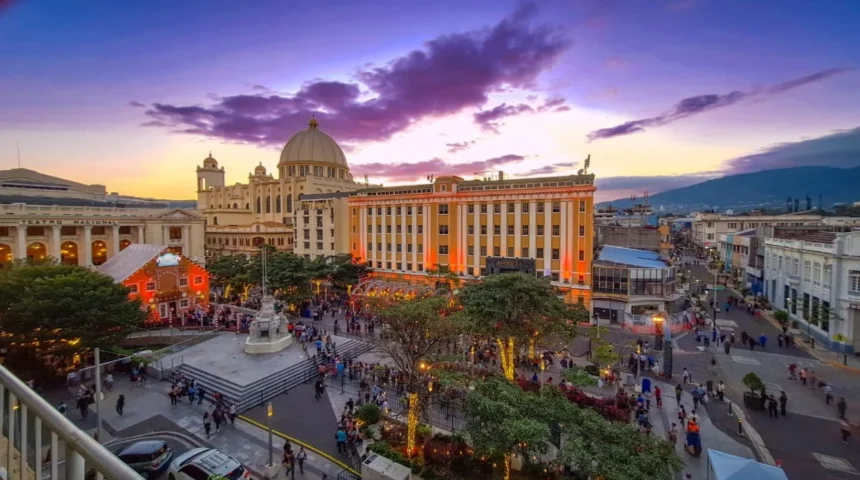
The government of El Salvador has officially proposed allocating $85.5 million toward tourism-related initiatives within its upcoming 2027 General State Budget. This financial commitment marks a significant reinforcement of President Nayib Bukele’s broader administration strategy, which has consistently prioritized the expansion of the nation’s burgeoning tourism industry and the aggressive pursuit of international visitors. Over recent years, the Central American country has undergone a remarkable transformation in its global image, largely driven by enhanced security measures and targeted economic policies that have turned the nation into a premier destination for travelers across the globe.
The newly proposed funding package is currently undergoing rigorous review by the Legislative Assembly’s Finance and Special Budget Committee, where lawmakers are evaluating how the capital will be distributed across various governmental portfolios. According to the budgetary breakdown submitted for legislative approval, the lion’s share of the proposed funds—totaling $63.5 million—would be assigned directly to the Ministry of Tourism, commonly known as Mitur. Meanwhile, an additional $22 million would be channeled into tourism-related infrastructure projects through the Ministry of Public Works and Transportation, referred to locally as MOPT, to ensure that the country’s roads, transit networks, and public spaces can adequately handle the influx of travelers.
A closer examination of the allocation designated for the Ministry of Tourism reveals a strategic distribution among key operational branches. Specifically, the proposed budget outlines $30 million earmarked for the Salvadoran Tourism Corporation, known as Corsatur, which serves as the primary engine for international marketing and destination branding. Furthermore, the plan allocates $2.7 million to the Salvadoran Tourism Institute, which oversees public recreational spaces and national parks, and $1 million to the San Salvador Historic Center Planning Authority, tasked with managing and revitalizing the cultural heart of the capital city. The ministry itself would retain the remaining $29.7 million to cover essential institutional operations, administrative overhead, and ongoing sector development programs.
This substantial financial injection is intentionally designed to achieve several interconnected goals aimed at professionalizing and expanding the national tourism ecosystem. Beyond strengthening international promotion campaigns to capture an even larger share of the global travel market, the investment directly supports more than 4,000 small and medium-sized businesses that form the backbone of the industry. These enterprises range from boutique hotels, hostels, and upscale resorts to independent restaurants, cafes, tour operating agencies, recreational facilities, and specialized visitor services. By providing targeted support and resources to these local operators, the government hopes to elevate the overall standard of hospitality throughout the country.

In addition to supporting physical businesses and infrastructure, a portion of the proposed funding is slated to advance professional accreditation programs for tourism workers and official tour guides. By implementing standardized training and certification, the administration aims to ensure that visitors receive world-class customer service while simultaneously creating stable, high-quality employment opportunities for Salvadoran citizens. These capacity-building initiatives are viewed as vital components in sustaining the rapid growth of the sector over the long term, ensuring that the labor market keeps pace with the increasing demands of a thriving international destination.
The timing of this robust budgetary proposal coincides with a period of unprecedented momentum for El Salvador’s tourism sector, underscored by impressive statistical milestones recorded over the past year. According to official government figures, the nation welcomed a remarkable 3.2 million international tourists between January and August alone. What is particularly noteworthy for the local economy is the duration of these visits; international travelers are staying an average of two to three weeks, affording them ample time to explore regions far beyond the capital and contribute significantly to regional commerce.
An analysis of these incoming traveler demographics highlights the diverse appeal of El Salvador within the region and across the wider Americas. Neighboring Guatemala accounts for the largest share of arrivals, representing 41 percent of the total volume of international visitors, drawn by close geographic ties, cultural affinities, and improved security. Travelers from the United States make up the second-largest group, comprising 27 percent of arrivals, largely driven by the sizable Salvadoran diaspora as well as a growing wave of adventurous tourists and digital nomads. Visitors from Honduras follow closely behind, accounting for 19 percent of the total tourist influx, further demonstrating the country’s strong pull as a regional hub for leisure and commerce.
While international arrivals have captured global headlines, domestic tourism has also contributed substantially to the sector’s financial health and overall resilience. Official data indicates that local residents have embraced exploring their own country in unprecedented numbers, recording 6.5 million visits to public cultural sites, natural reserves, and recreational parks across the national territory. These domestic excursions have generated an estimated $2.88 billion in economic revenue, proving that the resurgence of national pride and improved internal mobility are powerful catalysts for domestic spending and economic vitality.
If officially approved by the Legislative Assembly, the proposed $85.5 million budgetary allocation will provide the necessary resources to further elevate El Salvador’s profile as a premier regional and international travel destination. By pairing aggressive global marketing with critical infrastructure improvements and robust support for local businesses, the administration aims to solidify the tourism industry as one of the primary pillars of the national economy, driving sustained economic activity and development from the capital to the coastal and mountainous regions alike.

Related News