Global Civil Society Condemns Unprecedented Trial Referral of Mada Masr Editor-in-Chief Lina Attalah Amid Crackdown on Egyptian Press
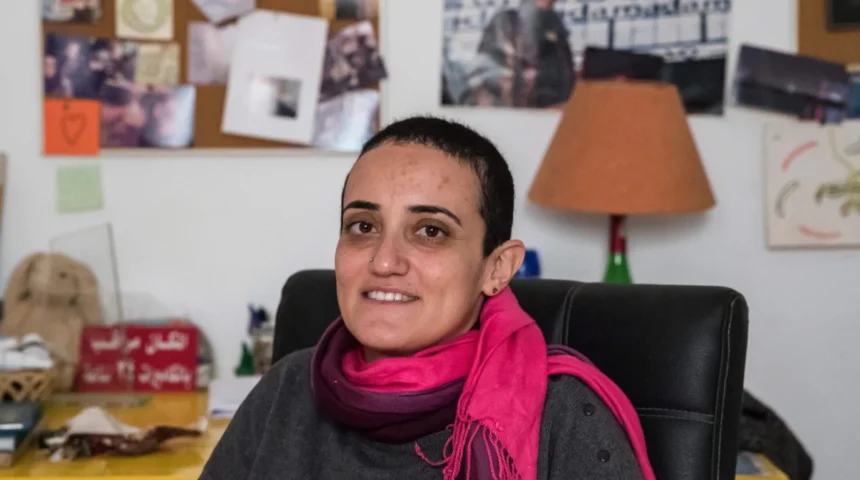
An international coalition of civil society organizations and independent media outlets has united to strongly condemn what they describe as an unprecedented and alarming escalation against press freedom in Egypt. The joint outcry follows the decision by authorities to refer prominent Egyptian journalist and Lina Attalah, Editor-in-Chief of the independent news site Mada Masr, to trial. The move marks a critical turning point in the country’s ongoing containment of independent journalism, civic space, and knowledge production.
The crisis intensified rapidly in late October 2026. Just hours before the legal summons was issued, Mada Masr had joined forces with seven other independent media platforms across the Arab world to establish a solidarity flash newsroom. This collaborative emergency effort was designed to fill a glaring void in coverage left by the mass arrest of the entire newsroom of Matsadaash, an Egyptian investigative platform, on October 19, 2026.
Immediately following this collaborative act of media solidarity, Attalah received an official summons to appear before the Supreme State Security Prosecution under Case No. 9072 of 2026. The specific reasons behind the summons were withheld by authorities at the time of delivery.
The subsequent interrogation, conducted on October 21, spanned more than six hours. During the questioning, Attalah was interrogated extensively regarding Mada Masr’s rigorous reporting on a wave of protests occurring inside various prison facilities across the country. Prosecutors also heavily scrutinized the legal status of Mada Masr’s publishing license. At the conclusion of the session, Attalah faced formal accusations of operating a website without a government-issued license and publishing false news designed to deliberately disturb public peace. She was subsequently released on a bail payment of 100,000 Egyptian Pounds.
However, the legal pressure mounted swiftly the following day. On October 22, Attalah was informed that her case was being escalated directly to trial, with charges centered explicitly on establishing, managing, and operating a website without a license. The first session of the trial was scheduled to begin on Tuesday, October 27.
Mada Masr’s ongoing struggle to secure a legal operating license under Egyptian legislation highlights a systematic pattern of bureaucratic obstruction. When Law No. 180 of 2018—which regulates the press, media, and the Supreme Council for Media Regulation (SCMR)—was officially ratified, Mada Masr promptly applied for its mandatory license that same year, receiving no substantive response from authorities.
After the law’s formal bylaws were finally issued in 2020, the independent outlet submitted another licensing application, only to be met with further silence. It was not until 2022, during a separate interrogation session involving Attalah, that the media outlet learned through informal channels that the SCMR had actually rejected the licensing application without proper notice or formal disclosure. In response to this opaque decision, Mada Masr filed a lawsuit in 2022 to challenge both the denial and the authorities’ consistent failure to provide official justification or timely notice. A subsequent licensing application submitted in 2023 has similarly remained pending and unanswered to this day.
The decision to refer Attalah to trial represents an unprecedented escalation that threatens the immediate survival of independent media, public knowledge production, and civil society across Egypt. This judicial development follows closely on the heels of another historical escalation in late September, which saw the arbitrary arrest and detention of the entire newsroom of the Matsadaash media platform.
The legal penalties facing Attalah in this current case are severe, carrying potential fines ranging between one million and three million Egyptian Pounds, with provisions to double the financial penalty if the alleged offense is deemed recurrent. Most alarmingly, the court possesses the legal authority to order the complete closure of Mada Masr. Such a verdict would effectively sound the death knell for one of the very last remaining independent media outlets operating within Egypt’s heavily restricted borders.
Although Mada Masr has faced legal adversity before—marking this as the sixth formal case brought against the media organization over the span of six years—legal analysts and defenders note this is the first time a case of this administrative nature has been aggressively pushed forward to a full trial. For years, Egyptian state authorities have utilized repressive administrative tactics and restrictive measures against independent press outlets to harass journalists, curtail daily operations, and intentionally chill freedom of expression. Escalating from administrative harassment to a direct trial referral signals a clear, calculated intent to completely shutter the remaining independent media ecosystem and permanently erase dissenting or critical viewpoints from the public sphere.
In response to these developments, the coalition of international civil society organizations and media outlets has issued an urgent appeal to Egyptian authorities to immediately drop all prosecutions against Lina Attalah. The signatories have also demanded that the government grant Mada Masr a proper operating license in accordance with national legal requirements, following years of ignored applications.
Furthermore, the coalition has called for an immediate halt to all ongoing targeting directed at Mada Masr and other independent media organizations operating inside Egypt. This includes urgent demands regarding the case of Matsadaash, where six journalists continue to languish in pretrial detention amid credible allegations of having been subjected to torture and forced to record fabricated statements. Finally, the international signatories urged authorities to secure the immediate release of all journalists currently detained or imprisoned solely for carrying out their professional duties.
Observers emphasize that the ongoing crackdown represents an egregious escalation that threatens the foundational elements of civic life in the region. Without vocal opposition and international solidarity against these restrictive measures, the complete and permanent closure of Egypt’s remaining independent media, civil society networks, and public organizing spaces appears increasingly imminent, raising the stakes for press freedom to an unprecedented level.

Related News