InDrive to Test Pony.ai Robotaxis Powered by Nvidia in Kazakhstan Starting in 2027
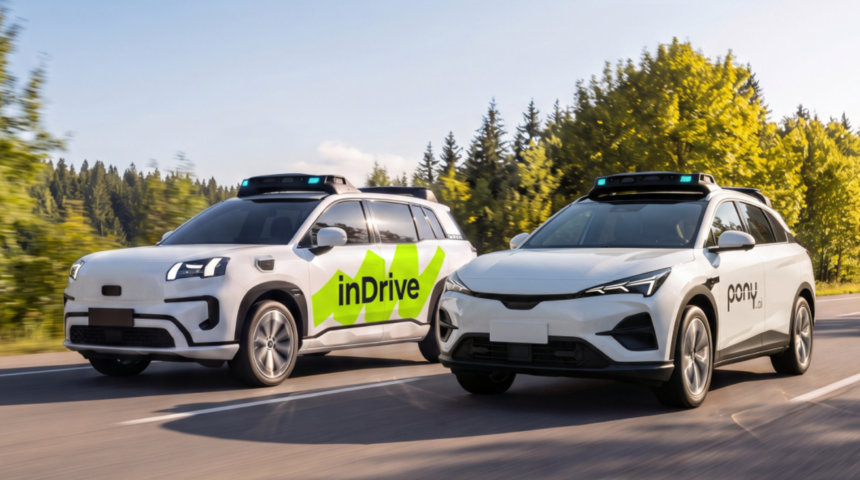
Ride-hailing company inDrive, globally recognized for its unique model that lets passengers and drivers negotiate fares directly, is partnering with Chinese autonomous driving firm Pony.ai and tech giant Nvidia to launch robotaxi trials in Kazakhstan. The strategic initiative is slated to begin in the country’s capital, Astana, in the first half of 2027, marking another milestone in the rapid expansion of autonomous vehicle testing beyond traditional automotive hubs in the United States and China.
The companies announced on Friday that they have signed a memorandum of understanding to explore integrating Pony.ai’s autonomous fleet directly into the inDrive application ecosystem. According to inDrive Chief Technology Officer Yuri Misnik, the upcoming pilot in Astana will initially deploy vehicles with a safety operator behind the wheel, with the ultimate objective of transitioning to fully driverless commercial rides as safety and regulatory frameworks mature.
Under the framework of the proposed agreement, Pony.ai will supply its advanced Gen-7 robotaxis, which inDrive will operate and offer to consumers through its established ride-hailing platform in Kazakhstan. Meanwhile, Nvidia will provide the underlying artificial intelligence and computing architecture required to run the vehicles safely and efficiently, including its specialized Hyperion platform and Halos safety system.
The announcement coincides with Nvidia CEO Jensen Huang’s visit to Kazakhstan, highlighting the growing international footprint of the chipmaker’s automotive technology. It also aligns with broader national ambitions in Central Asia; last month, the government of Kazakhstan formally announced plans to roll out pilot driverless taxi services by 2027, with initial trials mapped out for Astana and two additional cities. To facilitate these efforts, the country has already established a regulatory foundation allowing autonomous vehicles to be tested on designated public roads.
For inDrive, the venture represents a calculated step into the future of urban mobility while staying true to its core philosophy of affordability. Having built its massive global business around competitive, user-negotiated pricing, the company aims to apply a similar cost-conscious approach to the autonomous sector, entering a landscape where global and regional competitors are already staking their claims.
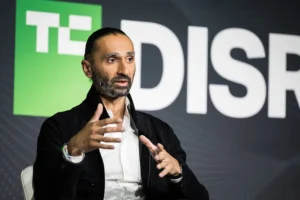
“Our approach is capital-light by design,” Misnik explained in an interview. “We work with a range of partners in different markets, combining their expertise with ours to deliver a better customer experience.”
Nvidia’s technological contributions are expected to play a central role in keeping operational and deployment costs manageable. According to Ali Kani, Nvidia’s vice president of automotive, the company’s Hyperion platform is designed to significantly lower the cost of developing robotaxis by providing automakers and mobility providers with a pre-integrated foundation of sensors and computing power. Rather than forcing companies to build, test, and integrate every component from scratch, Nvidia supplies a unified toolkit, which also includes the Alpamayo model and synthetic data generation software designed to simulate complex driving scenarios.
“Those savings are particularly relevant in emerging markets, where ride-hailing is already relatively affordable and autonomous services need to compete on cost,” Kani noted.
The harsh climatic conditions of Astana introduce an exceptionally rigorous testing environment that could provide valuable data for the partners involved. With a population of approximately 1.7 million, the capital experiences severe winters characterized by months of heavy snow and ice, creating complex visibility and traction challenges for autonomous driving systems.
“Launching here will provide an important opportunity to evaluate autonomous driving technology in challenging winter conditions,” said inDrive founder and CEO Arsen Tomsky. “Success in Astana could offer valuable insights for expanding autonomous mobility to other locations facing similar challenges.”
The Kazakhstan agreement builds on Pony.ai’s broader international growth strategy. The company has been aggressively expanding its footprint outside of mainland China, targeting a milestone of more than 3,500 robotaxis operating in over 20 cities worldwide by the end of 2026, a notable increase from the 1,975 vehicles it had in operation at the close of June.
At the same time, this initiative marks the second major autonomous vehicle partnership pursued by inDrive in emerging markets. In December, the ride-hailing firm signed an agreement with Saudi Arabia’s AI Driver to explore the deployment of autonomous vehicles powered by another Chinese self-driving pioneer, WeRide, starting in Riyadh. That initial collaboration targeted a pilot phase in the first half of 2026, though deployment timelines remain fluid as local testing gets underway.
“We are also looking at a number of other markets for future deployments,” Misnik added, emphasizing that regulatory readiness remains a key factor in the company’s expansion strategy. “One of the main requisites for a successful launch in our view is a favorable and collaborative regulatory environment to facilitate safe and sustainable testing on the roads.”
The push into robotaxis comes as ride-hailing giants and tech platforms race to secure partnerships that will define the next generation of transportation. Competitor Uber recently announced plans to test Pony.ai robotaxis in London, where it has also introduced supervised autonomous rides in partnership with British startup Wayve, which counts Uber and Nvidia among its financial backers. Uber has similarly established collaborative robotaxi projects in other global regions, including the Middle East.
With operations spanning more than 1,200 cities across 47 countries, inDrive has steadily diversified its business model in recent years, scaling beyond traditional ride-hailing into food and package delivery, intercity transit, and digital financial services. By integrating autonomous fleets into its existing network through strategic alliances with hardware and AI leaders like Pony.ai and Nvidia, the company aims to ensure its platform remains competitive as autonomous mobility takes root across the emerging economies it serves.

Related News