Restaurant Brands reports mixed results as Burger King’s U.S. turnaround shows signs of success
Restaurant Brands International reported mixed third-quarter financial results on Thursday, as strong momentum and a successful domestic turnaround at Burger King were offset by persistent struggles at its fried chicken chain, Popeyes. Despite steady overall growth and a continuation of long-term sales increases, investors reacted cautiously to the report, sending shares of the parent company down about 2% during morning trading on Wall Street.
The restaurant holding company reported third-quarter net income attributable to common shareholders of $542 million, or $1.54 per share. This marked a notable increase compared to the same period a year earlier, when the company posted net income of $315 million, or 96 cents per share. Excluding certain noncash items, Restaurant Brands earned $1.10 per share for the quarter. Net revenue also climbed, rising 3.1% to reach $2.53 billion compared to the prior year.
Across its entire global portfolio of restaurant brands, the company posted a same-store sales growth rate of 3.8%. This performance marks the fifth consecutive quarter that Restaurant Brands has achieved same-store sales growth above the 3% threshold, highlighting a level of resilience across most of its operations despite broader macroeconomic pressures affecting the fast-food and casual dining sectors.
While competitors across the broader restaurant industry reported a noticeable softening in customer traffic during the third quarter—largely driven by persistent consumer concerns over elevated gas prices and broader cost-of-living pressures—Restaurant Brands management noted that they had not observed any significant or alarming shifts in consumer behavior within their own dining rooms and drive-thrus.
"The environment, from what we see, has been relatively stable over the last couple of quarters and even into recent months," Restaurant Brands Chief Executive Officer Josh Kobza said in an interview with CNBC.
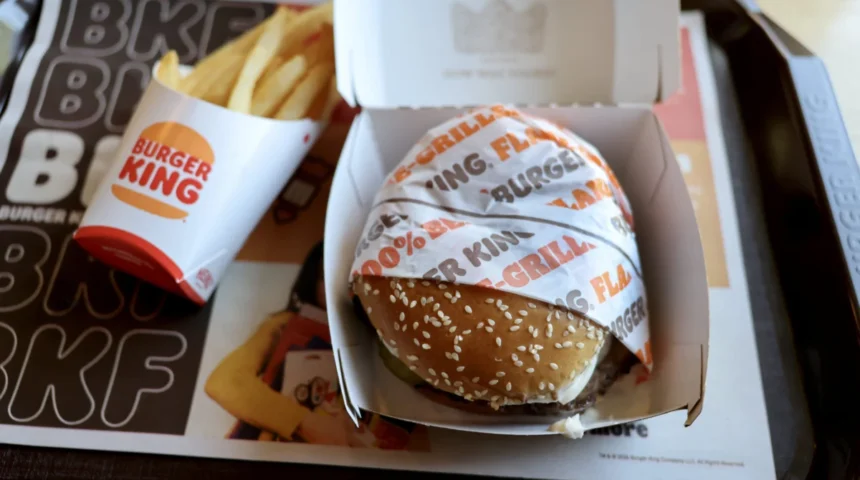
Among the company’s major banners, Burger King emerged as the standout performer, registering an impressive U.S. same-store sales growth rate of 8.4%. The iconic burger chain’s domestic business is currently in the middle of an extensive, multiyear turnaround initiative aimed fundamentally at revitalizing its culinary offerings, modernizing its restaurant footprint, and elevating the overall guest experience.
"The plans we’ve put in place over the last several years are working, and we’re going to keep executing against them," Restaurant Brands Chair Patrick Doyle told analysts and investors during the company’s earnings conference call. "Burger King has delivered over four years of industry outperformance, and now we’ve seen three consecutive quarters of truly exceptional results."
The brand’s strategic efforts began earlier this year with a comprehensive overhaul and quality improvement of its flagship product, the Whopper. Having successfully reestablished consumer enthusiasm for its signature burger, Burger King leadership quickly pivoted its operational and culinary focus toward other key menu categories, identifying chicken nuggets and accompanying dipping sauces as prime candidates for enhancement.
"Nuggets and sauces, frankly, we knew for a while that there was an opportunity," Kobza told CNBC. "We’ve heard it loud and clear from our guests."
Since Burger King officially relaunched its redesigned chicken nuggets on September 1, transitioning to a recipe featuring 100% white meat chicken, sales within the category have surged by more than 35%, according to details shared by Kobza during the earnings call. Encouraged by this rapid consumer response, executive leadership indicated that additional core menu items are slated to receive similar quality upgrades and recipe enhancements throughout the coming year.
Meanwhile, Tim Hortons, the company’s signature coffee and baked goods chain, reported a solid same-store sales growth rate of 1.8% in its core Canadian home market. To sustain momentum and drive customer acquisition during traditionally slower afternoon hours, the coffee chain introduced a new line of matcha beverages in July. This strategic menu addition successfully drew additional foot traffic into locations during what is typically a sleepier period of the business day.
However, Popeyes Louisiana Kitchen once again functioned as the clear laggard within Restaurant Brands’ diverse portfolio of quick-service restaurant chains. The popular fried chicken brand experienced a decline in U.S. same-store sales of 2.2% during the quarter.
In recent quarters, Popeyes has faced mounting competitive pressure as rival chicken chains aggressively targeted its customer base with aggressive discounting strategies, value promotions, and new product rollouts. In response, Restaurant Brands management has been attempting to engineer a turnaround for the brand through improved in-store restaurant operations and a renewed focus on streamlining its core menu offerings.
While Restaurant Brands had previously forecast that Popeyes would successfully return to positive same-store sales growth during the second half of the year, Kobza acknowledged on the earnings call that the turnaround will likely take longer than initially anticipated, though he noted that underlying customer traffic trends are showing signs of improvement. The strategic reintroduction of Popeyes’ popular $6 Big Box promotion in September yielded sales lifts that were ultimately more modest than executive leadership had hoped. Additionally, the chain has intentionally scaled back its chicken wing offerings to refocus its kitchens and marketing on core menu items, a strategic choice that created short-term headwinds for sales figures.
Beyond its domestic operations in North America, Restaurant Brands’ international business unit delivered steady results, posting a same-store sales growth rate of 3.9%. This international expansion and performance were primarily fueled by continued strength and steady expansion across the company’s global footprint of Burger King restaurants.

Related News