International Veterinarians Race to Save Seriously Ill Elephant Madhubala in Pakistan as Welfare Advocates Demand Accountability
Published On 22 Oct 2026
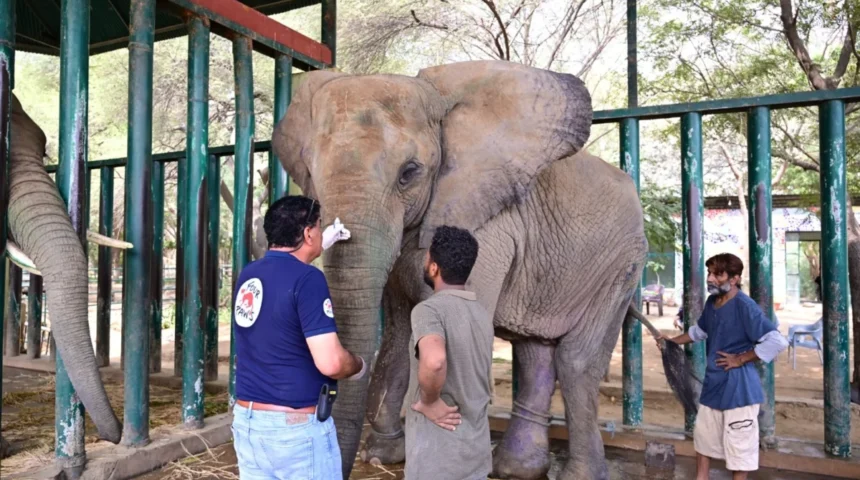
The plight of captive wildlife in South Asia has once again drawn intense international scrutiny following a critical medical emergency involving one of Pakistan’s remaining African elephants. Madhubala, an African elephant housed in Pakistan, has fallen seriously ill, prompting a high-stakes intervention by a team of international veterinary specialists who are currently fighting to save her life. Her deteriorating condition highlights a heartbreaking chapter in the history of exotic animal imports in the region, bringing renewed attention to long-standing concerns regarding the welfare, management, and long-term viability of keeping large wild animals in captivity far from their native habitats.
The current crisis traces its roots back to 2009, a time when four young African elephants were imported into Pakistan from Tanzania. The translocation, intended to populate local facilities and provide public exhibition, set the stage for a troubled decades-long journey for the animals. Over the subsequent years, the environmental and physiological challenges of captivity in a climate vastly different from the savannahs of East Africa began to take a severe toll. Out of the original four elephants brought over in 2009, two have already died, succumbing to various health complications associated with inadequate long-term care and captive environments.
With the passing of the first two elephants, the burden of survival shifted entirely to the remaining pair: Madhubala and Malika. Unfortunately, their situation has continued to deteriorate. Malika, the surviving companion, is currently facing her own persistent health issues, raising serious alarms among animal welfare experts and caretakers who monitor the animals daily. However, it is Madhubala’s acute medical crisis that has triggered an emergency response. Her condition has grown so perilous that specialized foreign veterinarians have been rushed to the facility in a desperate bid to stabilize her and provide advanced medical treatments that local resources alone cannot sustain.
As the international veterinary team works around the clock to administer critical care, the situation has ignited fierce public debate and moral outrage. Animal welfare activists have stepped forward to condemn what they describe as a systemic and repeated failure in the stewardship of these majestic creatures. Critics argue that the ongoing tragedies are not isolated incidents of illness, but rather the predictable outcome of fundamental shortcomings in captive animal management, inadequate infrastructure, and a lack of specialized expertise required to maintain African elephants in the region.
The vocal criticism directed at facility operators and local authorities underscores a broader global conversation about the ethics of wildlife translocation. Activists point out that the repeating cycle of illness and mortality among the 2009 cohort demonstrates that the environment and resources available have consistently fallen short of the rigorous standards necessary to ensure the health and welfare of such complex, intelligent, and socially dynamic animals. The inability to provide an optimal habitat, appropriate nutrition, and preventative medical care has left the elephants deeply vulnerable to chronic ailments and severe distress.
For Madhubala, the coming days will be critical. The international veterinary experts leading her treatment protocol are utilizing advanced medical interventions to address her failing health, but the prognosis remains cautious given her advanced state of illness. Meanwhile, Malika continues to be monitored closely as she battles her own health complications, leaving her future increasingly uncertain against the backdrop of her companion’s emergency.
The unfolding crisis has placed immense pressure on officials and custodians to transparently address the systemic concerns raised by the international community and local advocates. As the medical teams continue their strenuous efforts to reverse Madhubala’s decline, the overarching questions regarding accountability, the prevention of further suffering, and the future of captive wildlife management in the country remain front and center in the global news landscape.

Related News