Brazil’s Lula wins presidential election in runoff vote
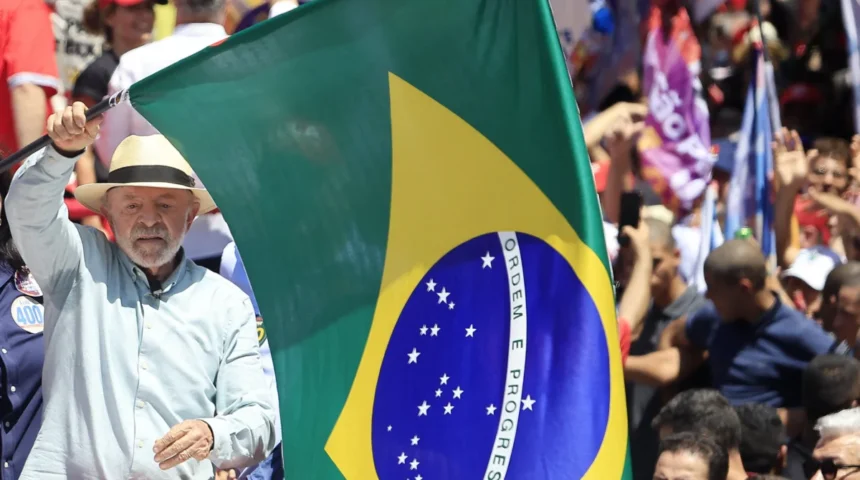
Luiz Inácio Lula da Silva has won a fourth term as Brazil’s president, coming from behind to beat Senator Flávio Bolsonaro in a runoff that split the country almost evenly. Lula took 51.8% of valid votes to Bolsonaro’s 48.2%, according to the Superior Electoral Court.
The hard-fought electoral victory marks a remarkable political chapter for the veteran leader, who secured a historic fourth mandate at the helm of Latin America’s largest democracy. The runoff contest followed a fiercely contested campaign season that deeply mobilized voters across Brazil’s diverse regions, urban centers, and rural communities. The narrow margin reported by the nation’s electoral authorities underscores a deeply polarized electorate, reflecting contrasting visions for the country’s economic future, social policies, and global standing.
Throughout the campaign trail, supporters and critics alike closely watched the shifting political dynamics as the race evolved from a crowded initial field into a definitive two-candidate showdown. Lula, representing a coalition of progressive and centrist political forces, campaigned extensively on his previous presidential legacy, emphasizing social welfare programs, economic stability, and environmental protection. His opponent, Senator Flávio Bolsonaro, galvanized a dedicated base of conservative voters by championing traditional values, market-oriented reforms, and security measures, capturing a substantial share of the national electorate and keeping the race tight until the final ballots were tallied.
As the results rolled in from the Superior Electoral Court, election night tension gave way to definitive outcomes confirming Lula’s narrow yet decisive lead of 51.8% against Bolsonaro’s 48.2%. The razor-thin margin highlights the profound division running through contemporary Brazilian society, presenting both immediate governance challenges and a clear mandate for the returning leader. With the electoral math finalized, political analysts and international observers are turning their attention toward the transition process and the formation of a governing coalition capable of navigating a closely divided congress.
The outcome concludes months of intense political maneuvering, rallies, debates, and unprecedented voter turnout across the nation’s 26 states and the federal district. As the dust settles on the 2026 presidential race, government institutions, civil society organizations, and international partners are preparing for the next phase of Brazil’s democratic journey under Lula’s incoming administration.

Related News