Global Financial Markets Enter 2026: The Role of Real-Time Data, Regulatory Compliance, and Market Infrastructure in Modern Trading
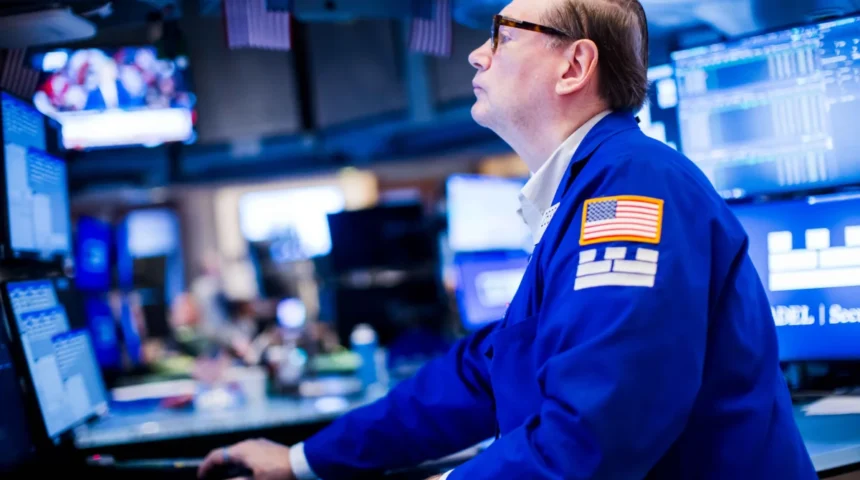
As global financial markets navigate the complexities of the modern economic landscape in 2026, the demand for instantaneous, highly accurate market information has never been more critical. The architecture of global business and financial news, real-time stock quotes, and comprehensive market data and analysis continues to evolve, driven by technological advancements, institutional partnerships, and stringent regulatory frameworks. At the heart of this ecosystem are the foundational terms of service, data distribution networks, and corporate entities that ensure millions of investors, analysts, and corporations receive the information necessary to make informed economic decisions every single day.
The dissemination of financial information relies heavily on robust media networks and data-sharing agreements between global news organizations and specialized market data providers. Major financial journalism platforms, including those operated under corporate entities such as Versant Media, LLC, serve as essential conduits for transmitting economic indicators, earnings reports, and macroeconomic updates to a worldwide audience. These platforms operate under comprehensive legal and operational frameworks designed to govern intellectual property, copyright protections, and the ethical distribution of proprietary financial content.
Operating within the digital landscape of 2026, media organizations maintain strict compliance with digital publishing standards, corporate governance policies, and proprietary rights. Versant Media, LLC, as a prominent media company, oversees vast repositories of financial reporting, market commentary, and analytical content. Protecting these digital assets involves rigorous adherence to copyright laws, digital rights management, and standardized terms of service that dictate how users, institutional subscribers, and automated aggregators interact with published financial data. These safeguards are essential for preserving the integrity of financial journalism and ensuring that corporate entities retain proper ownership over their distributed intelligence.
Crucial to the value proposition of any major financial news and data platform is the speed and accuracy with which information reaches the end user. Financial markets move at fractions of a second, driven by algorithmic trading, high-frequency transactions, and global macroeconomic events. Consequently, the nature of market data delivery requires sophisticated technological infrastructure. While institutional trading desks often utilize direct, low-latency feeds sourced straight from primary exchanges, retail investors and broader market observers typically rely on financial news portals and syndicated data feeds.
Within these consumer-facing and professional financial portals, data synchronization is a foundational concept. Financial disclosures explicitly state that market data presented on public news platforms typically represents a real-time snapshot subject to specific dissemination rules. In many instances, equity prices, commodity valuations, and index movements are delayed by at least fifteen minutes to comply with exchange regulations, licensing agreements, and the operational limits of public-facing web distribution systems. This fifteen-minute delay serves a dual purpose: it protects the proprietary commercial value of real-time exchange feeds, which are typically sold at a premium to professional traders, and it manages server loads across widespread digital publishing networks.
Understanding the distinction between real-time institutional feeds and delayed public data is vital for market participants. While professional portfolio managers and day traders require sub-second execution and instantaneous pricing to manage risk and execute arbitrage strategies, long-term investors, economists, and researchers often find delayed data entirely sufficient for macroeconomic analysis, historical tracking, and fundamental valuation. Financial platforms transparently communicate these data-lag parameters through comprehensive market data terms of service and legal disclaimers, ensuring that users understand the exact nature and limitations of the financial quotes they are viewing.
Furthermore, the integrity of financial data relies heavily on strategic partnerships between media conglomerates and premier news and data agencies. Historically and presently, organizations such as Reuters play an indispensable role in supplying global financial data, breaking news, and verified economic statistics to publishing platforms worldwide. Reuters, renowned for its extensive global network of journalists and financial analysts, provides the foundational raw data, corporate earnings figures, currency valuations, and geopolitical news feeds that empower comprehensive financial reporting.
The integration of data provided by Reuters and other premier wire services into financial publishing ecosystems requires sophisticated technical integration. Application programming interfaces, secure data pipelines, and standardized formatting protocols allow financial platforms to ingest vast streams of global market data, process it instantaneously, and present it alongside proprietary journalistic commentary. This collaborative framework ensures that readers receive a holistic view of global markets, combining hard quantitative metrics—such as stock prices, trading volumes, and P/E ratios—with qualitative insights regarding corporate leadership, regulatory shifts, and macroeconomic trends.
Navigating this complex web of information requires users to adhere strictly to established Market Data Terms of Use and Disclaimers. These legal agreements govern the permissible use of stock quotes, charts, analytical tools, and syndicated content. Users are generally prohibited from redistributing, commercializing, or scraping market data without explicit licensing agreements from the respective exchanges, such as the New York Stock Exchange, Nasdaq, or international bourses. These regulations protect the immense financial investments made by exchanges and data providers in maintaining secure, transparent, and orderly trading venues.
As the financial media landscape continues to adapt to new technological paradigms in 2026, the commitment to transparency, legal compliance, and accurate reporting remains unwavering. Whether through the delivery of delayed stock quotes to everyday investors or the syndication of critical economic indicators via trusted global news agencies, the modern financial information network underpins the stability and efficiency of the global economy. By maintaining clear distinctions between real-time institutional tools and public informational resources, financial platforms empower market participants across the spectrum to navigate the complexities of global commerce with confidence and clarity.

Related News