Trump asked Musk to lift Starlink slowdown, WSJ reports
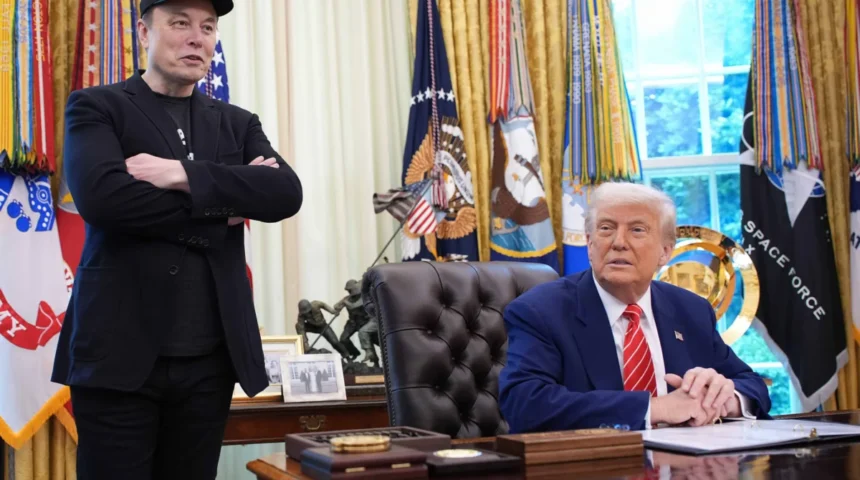
The developments follow a flurry of controversy that erupted earlier in the week when reports surfaced detailing how Musk had ordered a slowdown of the crucial satellite network. Ukraine relies extensively on the Starlink and Starshield terminals for tactical communications, battlefield coordination, drone operations, and maintaining internet connectivity amid relentless infrastructure attacks by Russian forces. Musk, who has frequently voiced criticisms regarding Ukrainian leadership and specifically President Volodymyr Zelenskyy, found his company at the center of an international dispute regarding the sovereignty and reliability of private technological infrastructure deployed in active warzones.
Insiders familiar with the matter revealed that Trump and Musk discussed the controversial decision to throttle the network shortly after the policy shift became public knowledge. While varying accounts emerged regarding the exact timing—with some sources indicating the conversation happened in the immediate aftermath of the public disclosure and others suggesting a discussion may have occurred prior to the implementation of the speed cap—the political fallout was swift. The timing of the technical slowdown coincided with escalating tensions between Washington and Kyiv, driven in part by Trump’s vocal opposition to Ukrainian military strikes targeting Russian energy infrastructure as the U.S. administration simultaneously explored potential diplomatic avenues to ease sanctions on Russian diesel exports to global markets.
Throughout the unfolding controversy, President Trump has repeatedly distanced himself from the operational decisions made by SpaceX, maintaining publicly that he had no prior knowledge or hand in the implementation of the restrictions. When questioned by reporters, Trump stated clearly that he did not know who was responsible for the slowdown, reiterating that he was not involved. Nevertheless, the sudden restriction of a critical military technology vital to a strategic U.S. ally sent shockwaves through Washington, sparking bipartisan concern and prompting lawmakers from both sides of the aisle to demand answers regarding the unprecedented disruption.

The political ramifications extended rapidly to Capitol Hill, where lawmakers raised urgent questions concerning national security, corporate governance, and the reliance of the U.S. government on private contractors for critical defense capabilities. During an appearance on financial television, Texas Republican Senator John Cornyn expressed skepticism that such a monumental operational change would be carried out by a private corporation without at least the tacit acquiescence or awareness of the executive branch. Senator Cornyn’s comments underscored the delicate and often complex intersection between private enterprise and national defense policy, particularly when a single private actor wields extraordinary influence over global communications networks used in active combat zones.
The situation escalated further when Senator Richard Blumenthal, a Democrat from Connecticut and the ranking member of the Senate homeland security committee’s investigations subcommittee, formally launched a congressional inquiry. Blumenthal initiated a comprehensive investigation into the circumstances surrounding the sudden degradation of SpaceX’s satellite technology for Ukrainian forces without prior notice. In formal letters addressed directly to Elon Musk and Defense Secretary Pete Hegseth, Blumenthal emphasized the severe dangers posed by the sudden technological bottleneck.
The senator argued that the decision to limit vital capabilities for a key ally not only jeopardized the lives of Ukrainian soldiers and civilians but also raised profound constitutional and strategic questions regarding the oversight of vital infrastructure funded and procured by billions of taxpayer dollars through the U.S. government. Blumenthal’s inquiry seeks to clarify the boundaries of corporate authority over defense-related assets and whether private entities should possess the unilateral power to alter tactical capabilities during an international conflict of this magnitude.
As scrutiny intensifies across both legislative and executive branches, representatives for the White House and contact channels associated with Elon Musk did not immediately respond to requests for comment regarding the reported phone call between Trump and Musk, nor the subsequent restoration of normal service levels across the Ukrainian network. With investigations ongoing and diplomatic sensitivities heightening around U.S. foreign policy toward Eastern Europe, the unfolding situation highlights the growing and unprecedented influence of commercial technology monopolies in modern geopolitical conflicts.

Related News