Simon Dixon Warns That a Centralized "One World Government" Powered by AI and Bitcoin Is Already Here
The architecture of a global, centralized system driven by artificial intelligence, programmable money, and digital financial control is no longer a distant theoretical threat—it is already taking shape around us. That is the stark warning delivered by financial author and investor Simon Dixon during a recent appearance on the podcast hosted by Pete McCormack.
In a wide-ranging and deeply critical conversation spanning geopolitics, central banking, and technological transformation, Dixon argued that humanity is sleepwalking into an era defined by algorithms, social credit scoring, and systemic financial capture. Rather than waiting for a formal declaration or a single catastrophic event, Dixon contends that the structural foundations of a centralized global governance model are already deeply embedded in our daily digital interactions, financial institutions, and media ecosystems.
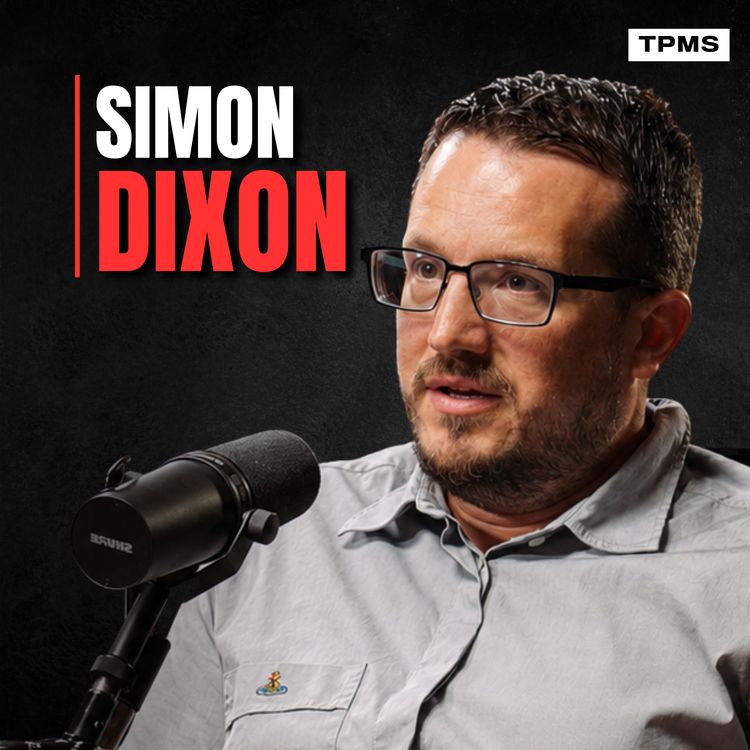
The discussion, captured in episode 179 of the podcast, delves heavily into how modern technology—once heralded as the ultimate tool for democratization and decentralization—has instead been systematically co-opted by traditional centers of power. Dixon and McCormack explored the accelerating intersection of artificial intelligence, central bank digital frameworks, and geopolitical realignments, offering listeners a roadmap on how to navigate and ultimately escape what they perceive as an increasingly authoritarian technological trap.
The Rise of Algorithmic Control and Media Capture
At the core of Dixon’s thesis is the pervasive influence of algorithms over human behavior, information flow, and economic participation. Society, he suggests, is increasingly behaving like a collective of algorithmically managed participants. While constitutional guarantees regarding freedom of speech often remain nominally intact in many jurisdictions, Dixon draws a sharp and troubling distinction between freedom of speech and what he terms "freedom of reach."

In the modern digital landscape, an individual may technically have the right to voice an opinion, but corporate platforms and centralized content-moderation algorithms possess the ultimate power to ensure that message is never seen. This filtering mechanism acts as a modern-day gatekeeper, concentrating power within a handful of massive technology monopolies capable of shaping public consciousness and political outcomes without accountability.
Dixon argues that this dynamic extends far beyond social media feeds into the broader media landscape. Traditional media outlets, he suggests, operate primarily as instruments of power rather than independent watchdogs. As capital concentrates and scale increases, institutions inevitably become vulnerable to capture by state actors, central banks, and corporate behemoths. When scale is achieved under the current economic paradigm, it almost invariably attracts the attention of those who wish to centralize control, effectively neutralizing organic, bottom-up movements for change.

The Geopolitical Shift: Currency Wars and the Petrodollar
Shifting from domestic digital control to international economics, Dixon offered a sobering analysis of global monetary systems, central banking, and shifting geopolitical alliances. The conversation examined the ongoing erosion of the petrodollar system—long the bedrock of American economic hegemony—and the aggressive monetary policies deployed by institutions like the Federal Reserve, alongside corporate financial giants such as BlackRock.
Dixon views the systemic printing of fiat currency not merely as a flawed economic policy, but as a deliberate mechanism of wealth transfer and control. As central banks grapple with unsustainable debt burdens and fracturing international trade relationships, the global financial architecture is undergoing a violent tectonic shift. According to Dixon, these dynamics mirror historical conflicts, suggesting that the primary battlegrounds of the twenty-first century are no longer defined solely by traditional naval supremacy or territorial conquest, but by currency wars, digital sovereignty, and technological dominance.

Amid this macro-financial turbulence, traditional political avenues for reform are increasingly viewed by Dixon as obsolete. He argued bluntly during the discussion that conventional politics is effectively "gone"—a theater unable or unwilling to address the deep-seated structural issues driving global centralization. With major global financial hubs like London facing severe systemic pressures, and governments around the world flirting with programmable central bank digital currencies (CBDCs) and social credit mechanisms, relying on electoral politics to reverse the tide of centralization is, in his view, a futile endeavor.
Artificial Intelligence: The Ultimate Opportunity and the Software Apocalypse
Despite his grim outlook on institutional power structures, Dixon remains intensely focused on the transformative potential of artificial intelligence, characterizing it as perhaps the most significant opportunity of our lifetime. However, this technological leap carries a dual nature. On one hand, AI democratizes capability, enabling small businesses and agile entrepreneurs to build tools, software, and systems that previously required entire corporate departments and millions of dollars in capital.

On the other hand, Dixon warns of a looming "software apocalypse." As advanced language models and autonomous agents revolutionize coding and knowledge work, traditional software business models face unprecedented disruption. The rapid maturation of open-source AI—with major contributions emerging from jurisdictions like China—complicates the geopolitical landscape further, creating a high-stakes race for technological supremacy where a handful of dominant entities hold the technical capability to essentially "turn off" access for dissidents or non-compliant competitors.
Escaping the System Through Sovereignty and Bitcoin
For individuals seeking to insulate themselves from these converging trends of financial surveillance and algorithmic control, Dixon advocates for a deliberate strategy of personal sovereignty. Rather than fighting a losing battle within captured political and corporate structures, the solution lies in adopting self-sovereign tools.

Chief among these tools is Bitcoin. By emphasizing self-custody and decentralized assets that cannot be easily seized, censored, or inflated away by central authorities, individuals can opt out of the legacy financial architecture. Dixon stresses the importance of owning hard, censorship-resistant assets and learning to build and operate independently using modern technological levers like artificial intelligence.
The conversation ultimately serves as a clarion call for a fundamental mindset shift, urging listeners—particularly younger generations—to recognize the realities of the modern digital panopticon and take proactive steps to secure their financial, intellectual, and personal independence before the window for sovereign action narrows further.

Related News