Iran War Live Updates: Tehran Dismisses US Diplomatic Efforts as "Not Serious" Amid Rising Regional Tensions and Maritime Incidents
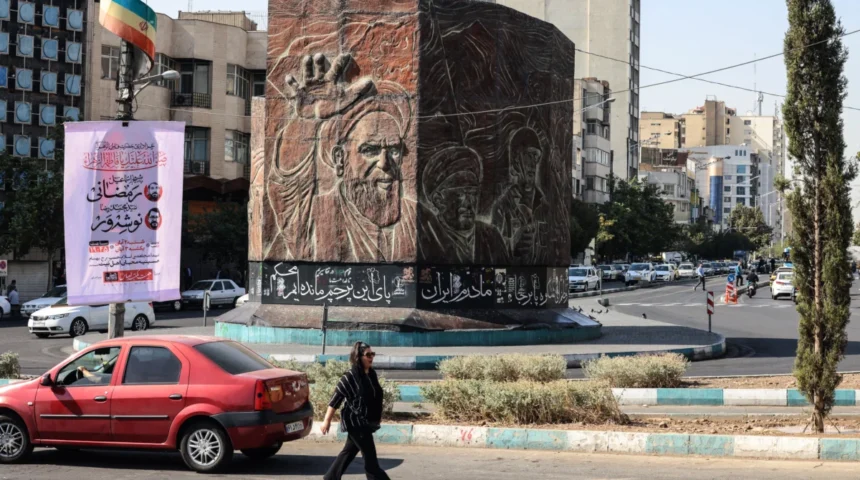
As the geopolitical crisis in the Middle East continues to escalate, diplomatic channels appear increasingly strained following remarks from Iranian officials characterizing the United States as "not serious" about pursuing meaningful negotiations. The diplomatic deadlock comes against a backdrop of mounting economic distress within Iran and escalating maritime security concerns, highlighted by a recent incident involving a vessel ablaze off the coast of Iraq. The convergence of stalled diplomatic efforts, severe economic strain on the civilian population, and ongoing military and commercial disruptions underscores the widening scope of the conflict that has gripped the region for months.
The friction over potential talks reflects a deep-seated distrust between Washington and Tehran, with Iranian authorities expressing skepticism regarding the sincerity of American diplomatic overtures. Analysts note that these conflicting positions have severely limited the viability of back-channel negotiations or third-party mediation efforts aimed at de-escalating the hostilities. While international partners continue to urge restraint and a return to the negotiating table, both sides remain entrenched in their respective strategic postures, leaving humanitarian and economic concerns to mount unchecked.
This political stalemate unfolds as the human and economic toll of the conflict becomes increasingly visible across major Iranian urban centers. In the capital, Tehran, daily life has been heavily disrupted by the compounded pressures of long-standing international sanctions and the direct economic fallout of the military confrontation that began earlier in the year. The hostilities, triggered by initial United States and Israeli military actions alongside a comprehensive American naval blockade of Iranian ports, have placed an unprecedented strain on the nation’s supply chains and domestic market stability.
Economic indicators paint a grim picture for ordinary citizens trying to navigate the crisis. Official figures released in September indicate that year-on-year inflation has soared to nearly 90 percent, severely eroding purchasing power and making basic staples increasingly unaffordable for millions of households. Navigating Enghelab Square and other bustling commercial hubs in Tehran, residents face erratic currency exchange fluctuations that render daily financial planning nearly impossible. The depreciation of the rial, combined with the severe shortage of imported goods resulting from the ongoing maritime blockade, has triggered widespread scarcity and sent the cost of everyday consumer items skyrocketing.
Beyond the domestic economic crisis, the conflict continues to cast a long shadow over vital regional waterways and trade routes. Recent reports of a ship caught ablaze off the coast of Iraq have heightened anxieties regarding maritime security in the Persian Gulf and surrounding waters. While details surrounding the incident continue to emerge, the event serves as a stark reminder of the persistent dangers facing commercial shipping, energy transit, and naval vessels operating in a zone of active hostilities. The combination of naval blockades, heightened military readiness, and the constant threat of asymmetric attacks has transformed regional maritime corridors into high-risk zones, prompting international shipping companies to continually reassess their routes and security protocols.
The intersection of maritime insecurity, collapsing domestic economies, and frozen diplomatic channels creates a volatile environment with few immediate pathways toward resolution. As regional actors and international observers monitor developments closely, the situation on the ground remains deeply fluid. The persistence of high inflation and currency instability inside Iran, coupled with the ongoing fallout from naval operations and trade disruptions, ensures that the humanitarian and economic ramifications of the conflict will continue to resonate far beyond the immediate zones of military engagement.

Related News