Turning Waste into Hashpower: How Off-Grid Bitcoin Miners Are Harnessing Stranded and Flared Gas
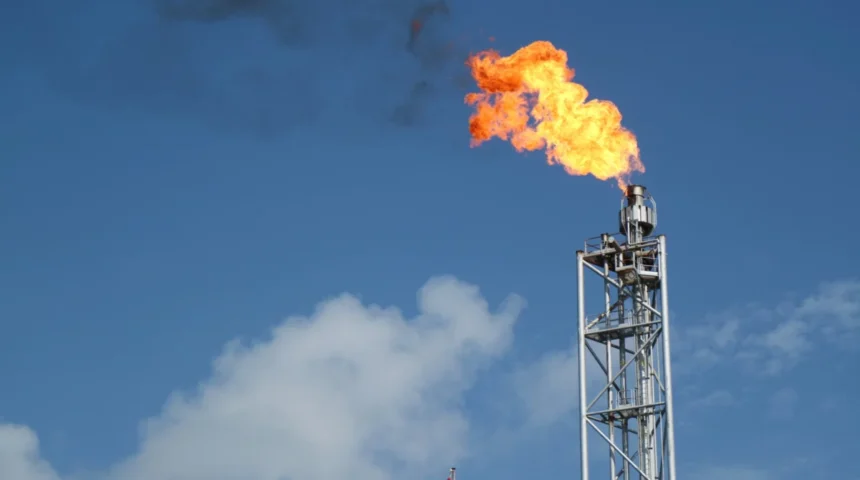
The intersection of energy markets and cryptocurrency mining continues to evolve in unexpected ways, with off-grid natural gas mining emerging as one of the most compelling developments for both the oil and gas sector and bitcoin network participants. By utilizing energy sources physically disconnected from central power grids, often in remote or geographically challenging locations, miners are transforming industrial liabilities into productive digital assets. This practice primarily centers around two underutilized energy streams: stranded gas and flared gas.
Stranded gas refers to natural gas deposits that, due to their remote locations or low production volumes, are not economically viable to transport to traditional consumer markets using standard infrastructure like pipelines. Flared gas, conversely, is an unavoidable byproduct of crude oil production that is either vented or deliberately burned off into the atmosphere for safety reasons, primarily to manage wellhead pressure levels and mitigate the risk of catastrophic explosions.
Historically, both stranded and flared gas have been treated strictly as waste products within the traditional oil and gas industry. However, a significant perceptual shift is currently underway. A growing recognition of these resources as reliable, low-cost power sources for bitcoin mining is reshaping how industry stakeholders view these hydrocarbons, effectively converting environmental and logistical liabilities into revenue-generating assets.
A Primer on the Oil and Gas Industry
To fully grasp the mechanics of off-grid mining, it is necessary to examine the structural framework of the oil and gas industry, which is traditionally divided into three distinct sectors: upstream, midstream, and downstream. The upstream sector focuses on the exploration, drilling, and extraction of crude oil and natural gas. The midstream sector handles the processing, storage, and long-distance transportation of these resources. Finally, the downstream sector encompasses the refining of petroleum crude oil and the purification of raw natural gas for end-use consumers.

Stranded gas originates primarily within the upstream sector. Its abundance is driven by severe geographic and infrastructural constraints that render the extraction and delivery of the gas too expensive to justify. These challenges include the complete absence of local pipelines due to the extreme remoteness of the gas fields, complex regulatory hurdles, and production volumes that simply do not support the massive capital expenditures required for traditional market access.
Flared gas is also generated at the upstream level as a byproduct of oil extraction. The practice of flaring carries substantial economic and environmental consequences. Beyond contributing directly to greenhouse gas emissions, routine flaring squanders immense quantities of valuable energy that could otherwise be captured and utilized.
The Prevalence of Stranded and Flared Gas
Despite their immense intrinsic value, both stranded and flared gas remain heavily underutilized due to deep-seated logistical and geographical barriers. The fundamental driver behind the prevalence of these gases lies in the complex geology of fossil fuel reserves. Hydrocarbon deposits frequently contain a mixture of oil and associated natural gas. When these reserves are discovered in remote regions, the financial and logistical burden of building transport infrastructure becomes prohibitive, leading operators to classify the gas as stranded.
Similarly, flare gas is a necessary operational byproduct utilized to maintain safe pressure levels in oil wells when capture mechanisms are absent. Gas that cannot be efficiently captured or transported is systematically burned off, resulting in vast amounts of wasted energy worldwide.

Despite these hurdles, stranded and flared gas present an extraordinary opportunity for bitcoin miners. The digital currency’s underlying mining hardware requires abundant, low-cost power and can be deployed using mobile, modular infrastructure capable of adapting to variable power supplies in remote environments.
The Economics of Stranded and Flared Gas
Industry estimates suggest that as much as 30% of the more 7,257 trillion cubic feet of known natural gas reserves on Earth are currently stranded. This includes massive reserves located in remote frontiers such as Prudhoe Bay in Alaska and the Mackenzie Delta in Canada. For contextual comparison, total natural gas consumption in the United States reached 32.31 trillion cubic feet in 2022. Successfully capturing and utilizing a fraction of these stranded reserves would unlock substantial economic value for producers.
Meanwhile, continuous flaring remains widespread in prolific production regions like the Bakken Shale formation in North Dakota. Despite its status as a premier oil-producing region, the lack of local natural gas pipeline infrastructure has historically driven high flaring rates. According to the U.S. Energy Information Administration, approximately 19% of all natural gas produced in North Dakota was flared in 2019, amounting to roughly 0.56 billion cubic feet per day. Flaring this volume not only destroys a valuable commodity but also exposes producers to steep regulatory fines and environmental penalties.
Evaluating the true economics of utilizing these gases requires a careful balancing of capital expenditures for infrastructure, operational expenditures for maintenance, and the financial weight of regulatory fines and taxes. Pipeline construction costs, for example, present a formidable barrier. Data from the U.S. Energy Information Administration indicated that new pipeline construction averaged $7.65 million per mile in 2020. For a remote stranded gas field situated 100 miles from the nearest connection point, building new infrastructure would cost an astronomical $765 million.

At the same time, regulatory authorities are increasingly penalizing routine flaring operations. Oil and gas producers in Nigeria were hit with a combined $341 million in penalties for flaring activities during the first ten months of 2022 alone. With standard penalties ranging from $0.50 to $2.00 per thousand cubic feet depending on production volume, and prevailing natural gas prices hovering around $2.70 per thousand cubic feet, the financial burden of regulatory fines can easily eclipse the market value of the gas being burned.
The Business of Mining Bitcoin with Stranded and Flared Gas
The operational landscape of off-grid bitcoin mining took shape in the late 2010s as early pioneers recognized the dual potential of solving industrial waste problems while securing low-cost power for digital asset generation. Early ventures in this space quickly learned that off-grid deployments require specialized operational capabilities that differ sharply from traditional grid-connected mining facilities.
Operating on active oil and gas well pads grants off-grid miners a distinct set of operational advantages, often described as industry superpowers. These include the ability to bring hash rates online rapidly in permissionless environments and maintain structural resilience through the mobility of modular containers. Furthermore, because off-grid flare deployments typically operate at capacities under one megawatt, they contribute to a highly decentralized distribution of hash rates across the global bitcoin network.
However, choosing an off-grid business model involves navigating complex trade-offs regarding hardware selection, power generation infrastructure, and structural partnerships with oil and gas producers. Early operators faced critical decisions ranging from building custom mining containers to purchasing pre-fabricated units designed to meet the rigorous safety standards required on active industrial sites. Similarly, operators had to weigh the cost efficiencies of deploying brand-new, high-efficiency ASIC hardware against the lower upfront capital requirements of acquiring older, legacy mining machines.

Gas acquisition costs have also shifted over time. In the nascent days of flare gas mining, operators could frequently acquire gas at zero cost, or occasionally receive financial compensation from producers eager to eliminate flare liabilities. As the sector matured, commercial terms evolved, with miners typically paying modest rates per thousand cubic feet. Power generation strategies similarly vary, with many miners initially leasing natural gas generators from specialized service providers to avoid heavy upfront capital expenditures, while others chose to invest directly in owned generation assets to minimize ongoing operational expenses.
A major risk factor inherent to the flare gas model is its direct exposure to the macroeconomic volatility of the traditional energy markets alongside the inherent price swings of bitcoin. Dramatic downturns in crude oil and natural gas prices can render wellhead extraction unprofitable, forcing sudden operational shutdowns that leave miners temporarily without fuel. Navigating these turbulent cycles requires careful operational planning and a focus on financial resilience to survive extended bear markets.
Trends to Watch
The practice of utilizing stranded and flared gas to mine bitcoin has matured from a novel experiment into a transformative operational strategy. By converting industrial waste into productive energy, off-grid miners are simultaneously addressing environmental concerns and reinforcing the security and decentralization of the global bitcoin network.
As the sector continues to attract experienced operators and innovative infrastructure providers, the integration of advanced mobile hardware, remote satellite internet connectivity via services like Starlink, and flexible commercial off-take agreements will likely drive further expansion. While the path forward involves balancing energy market dynamics with cryptocurrency volatility, the fundamental economic incentive to monetize wasted hydrocarbons remains a powerful force shaping the future of digital asset infrastructure.

Related News