"A Civilisation Built On Lies Cannot Survive": Graham Linehan Details the Heavy Personal and Professional Cost of Cancel Culture
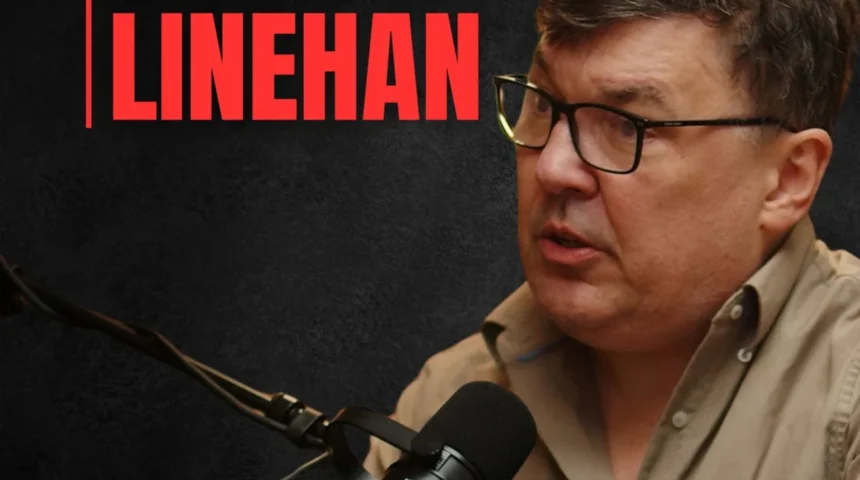
Award-winning comedy writer Graham Linehan has opened up about the profound fallout of his public stance on sex-based rights, detailing how a decades-long career, a marriage, and a lifetime of friendships dissolved after he argued that women’s spaces should be reserved exclusively for women.
Once celebrated as one of the most brilliant and prolific comedic minds of his generation—co-creating iconic sitcoms such as Father Ted, Black Books, and The IT Crowd and collecting five BAFTAs along the way—Linehan found himself effectively exiled from the industry that helped launch him. In a wide-ranging, candid discussion on Peter McCormack’s podcast, Linehan reflected on his journey as the first major artistic figure to be comprehensively ostracized for speaking out on gender identity and sex-based rights, maintaining that he has never backed down or attempted to quietly claw his reputation back through compliance.

Throughout the interview, Linehan explored the mechanics of his sudden cultural excommunication, pointing to the swift and widespread capitulation of former peers and colleagues. He discussed the profound isolation of watching people he had built careers alongside—individuals who knew him personally for decades—refuse to defend him or even reach out when pressures mounted, including an episode involving an arrest where virtually no one called to check on his well-being. According to Linehan, this silence served as a stark and painful education on the true nature of the social and professional networks surrounding him.
The conversation ventured deep into broader cultural transformations, analyzing how a social movement that held little institutional footprint a decade prior managed to rapidly capture foundational pillars of society, including medicine, sport, prisons, and public broadcasting institutions like the BBC, largely without encountering substantial resistance. Linehan expressed profound concern over how issues surrounding women’s sports, female-only spaces, and child safeguarding became unsayable inside the creative and media industries almost overnight. He recounted touching upon harrowing individual stories, including that of a father whose daughter began taking testosterone, illustrating what he views as the tragic real-world human cost of an unyielding ideological wave.
Beyond the immediate political and cultural debates, Linehan examined the technological and societal underpinnings that have made modern populations uniquely vulnerable to ideological capture. He pointed to the pervasive influence of smartphones, algorithms, and the erosion of physical, face-to-face community spaces as drivers of a hyper-anxious generation. In his view, these digital architectures have left young people defenceless, replacing traditional cultural outlets like music, fashion, and leisure with a rigid, all-consuming form of political activism.
Reflecting on broader geopolitical and cultural flashpoints, including the impact of the events of October 7th, Linehan shared how subsequent global developments further radicalized his perspective, cementing his conviction that modern discourse is plagued by systemic dishonesty. Looking toward the future, the acclaimed writer offered a bleak yet resolute outlook on what society might resemble over the coming decade if current trajectories persist, while steadfastly reiterating his core philosophy that speaking the truth remains the only viable path forward for cultural survival.

Related News