Iliana Iotova Wins Bulgaria’s Presidential Runoff to Become Country’s First Elected Female Head of State
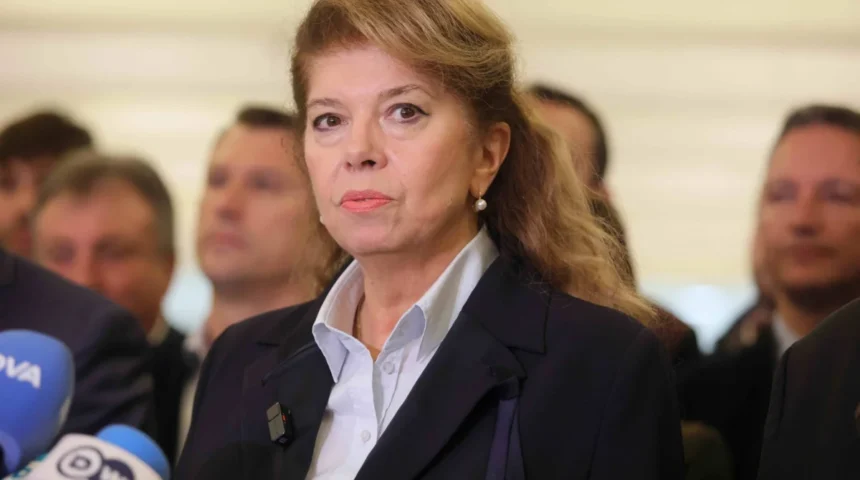
SOFIA — In a historic political milestone for southeastern Europe, Iliana Iotova has emerged victorious in Bulgaria’s presidential runoff election, securing a definitive mandate and cementing her place in the nation’s history as its first-ever elected female president. The high-stakes electoral contest concluded on Monday, November 2, 2026, marking a significant chapter in the European Union and NATO member state’s evolving political landscape.
Iotova’s triumph at the ballot box is widely viewed by political analysts as a powerful reinforcement of the broader political direction championed by Prime Minister Rumen Radev. The alignment between the country’s executive leadership and the newly elected presidency ensures continuity in Sofia’s strategic posture, particularly regarding sensitive foreign policy positions that have frequently drawn attention from international allies and regional neighbors.
Among the cornerstone positions reinforced by Iotova’s electoral success are sustained advocacy for diplomatic dialogue with Moscow and a firm stance against the provision of direct military aid to Ukraine. These policy inclinations have defined the trajectory of the incumbent administration and will now remain central to Bulgaria’s national and international governance under Iotova’s tenure as head of state.
The runoff election capped a fiercely contested campaign cycle that underscored deep-seated debates within the Bulgarian electorate regarding national identity, economic security, and the country’s geopolitical alignment amid ongoing European security challenges. Voter turnout across the nation’s diverse municipalities reflected a population deeply engaged in charting the country’s future course, balancing traditional diplomatic ties with its integration within Euro-Atlantic institutions.
As Bulgaria’s new president, Iotova steps into the role with an extensive background in public service and international diplomacy. Her campaign resonated with voters looking for stability, experienced leadership, and a steadfast commitment to protecting national interests within the complex architecture of European politics. Her victory breaks a long-standing glass ceiling in Bulgarian politics, making her the first woman to be directly elected to the highest office in the country, a development that has drawn praise from diverse civic groups and political figures alike regardless of party affiliation.
Prime Minister Radev, whose administration’s political trajectory is heavily bolstered by the outcome, expressed strong support for the electoral result, emphasizing that the mandate granted by voters validates a pragmatic and independent foreign policy approach. The synergy between the prime minister’s office and the presidency is expected to provide a unified front as Sofia navigates pressing domestic priorities, energy security concerns, and delicate diplomatic balancing acts on the European stage.
The policy platform championed by Iotova throughout the campaign emphasizes the necessity of maintaining open channels of communication with all major international actors. Her stated commitment to pursuing dialogue with Moscow aligns with a traditionalist strain of Bulgarian foreign policy that prioritizes pragmatic diplomatic engagement, even as the European Union maintains a strict sanctions regime and collective security posture in response to the conflict in Ukraine. Furthermore, the explicit opposition to sending military hardware to Kyiv—a policy that has distinguished the current Sofia leadership from many of its Western partners—will continue to guide Bulgaria’s legislative and executive decisions on defense matters.
International observers and regional capitals have closely monitored the Bulgarian electoral cycle, recognizing the strategic importance of the Balkan nation’s geopolitical stance. While Bulgaria remains a committed member of both the European Union and the North Atlantic Treaty Organization, its internal political discourse frequently highlights the nuanced perspectives held by its citizens regarding regional conflicts and East-West relations. Iotova’s victory ensures that these distinct viewpoints will continue to be articulated at the highest levels of European statecraft.
With the electoral process officially concluded and the results certified, attention now turns to the transition of power and the immediate legislative and administrative agenda facing the new administration. As Iliana Iotova prepares to take the oath of office and assume her constitutional duties, she does so with a decisive mandate from the electorate, carrying the historic distinction of leading Bulgaria into a new era as its first female president while maintaining the established political compass set forth alongside Prime Minister Radev.

Related News