Understanding the Blockchain Hierarchy: A Deep Dive into Layers 1, 2, and 3
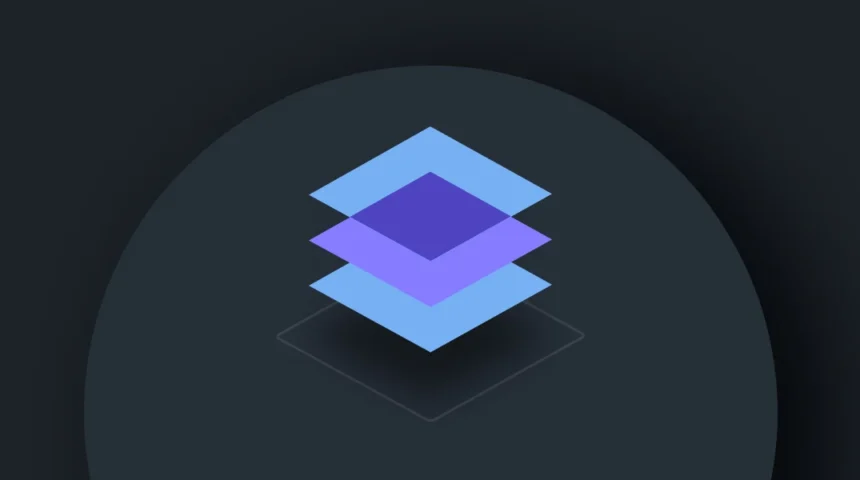
The blockchain ecosystem, once a singular, monolithic entity, has evolved into a sophisticated, multi-layered architecture designed to meet the demands of a global financial infrastructure. As digital assets move from the fringes of experimental technology to the center of modern commerce, the necessity for a scalable, efficient, and versatile framework has never been greater. To navigate this landscape, it is essential to understand the three distinct layers that power modern blockchain networks: the foundational architecture (Layer 1), the scalability protocols (Layer 2), and the user-facing application layer (Layer 3).
Layer 1: The Foundational Blockchain Architecture
At the heart of the ecosystem lies Layer 1, or L1. This represents the primary blockchain itself—the foundational ledger that records all transactions and maintains the integrity of the network. When we discuss Bitcoin, we are referring to the L1 blockchain, a decentralized network of nodes governed by the proof-of-work (PoW) consensus mechanism. This layer serves as the ultimate source of truth, where the history of every transaction is cryptographically secured and stored on a public, immutable ledger.
When Bitcoin was introduced by Satoshi Nakamoto in 2009, it existed solely as this Layer 1 architecture. In its early years, the network was sufficient to handle the volume of activity without the need for additional layers or secondary protocols. Transactions were quick, costs remained minimal, and the network’s capacity was well-aligned with the demands of its users. However, as Bitcoin’s adoption surged and its utility as a global currency began to materialize, the limitations of this original design became increasingly apparent.
The very features that provided Bitcoin with its unmatched security—specifically the consensus mechanism and the distributed nature of the ledger—also imposed physical constraints on how quickly transactions could be processed. As the number of participants grew, the network faced bottlenecks. Processing times lengthened, transaction fees rose, and the energy requirements for maintaining the network became a topic of significant debate. These challenges threatened to hinder Bitcoin’s aspiration to function as an everyday currency for global exchange. It became clear that to maintain the security of the primary layer while simultaneously enabling mass-market utility, the ecosystem needed to evolve. This necessity sparked the development of secondary protocols, commonly referred to as Layer 2.
Layer 2: Scaling Through Functionality Protocols
Layer 2, or L2, represents a critical shift in how blockchain networks achieve scalability. These are protocols constructed atop the existing Layer 1 architecture, specifically designed to address the speed, cost, and throughput limitations of the base chain. By shifting the burden of transaction processing away from the main ledger, Layer 2 solutions allow for a much higher volume of activity without compromising the foundational security of the primary blockchain.
The Lightning Network is widely considered the most prominent and effective example of a Layer 2 protocol. It functions by creating a specialized environment where transactions can occur "off-chain." Instead of broadcasting every individual payment to the Bitcoin blockchain immediately, participants can open channels and execute numerous transactions between themselves near-instantly. These transactions are finalized within the protocol itself, bypassing the congestion of the main network. Once the parties have completed their transactions, the net result—or a batch of finalized transactions—is settled on the underlying Bitcoin blockchain.
This "off-chain" approach is a game-changer for the utility of digital assets. By enabling real-time, low-cost payment processing, the Lightning Network transforms Bitcoin from a slow, expensive asset into a viable medium for everyday transactions. Whether it is a small retail purchase or a cross-border payment, Layer 2 solutions empower users to interact with the blockchain in a way that is comparable to traditional digital payment systems, all while remaining anchored to the trust and security of the original Bitcoin ledger. These protocols do not replace the blockchain; rather, they act as an essential extension, offloading the routine work to keep the base layer efficient and sustainable.
Layer 3: The Application and Interoperability Layer
While Layers 1 and 2 focus on security and scalability, Layer 3 (L3) is where the ecosystem meets the end-user. Often referred to as the application layer, Layer 3 is home to decentralized finance (DApps) applications, decentralized games, and a variety of complex software interfaces that allow users to interact with blockchain data in meaningful ways.
The primary goal of Layer 3 is to provide functionality and user experience. This layer can support cross-chain interactions, allowing for a more interconnected digital economy. While the Bitcoin network is uniquely optimized for the secure transfer and storage of value, it has historically remained focused on that singular objective, leaving the hosting of complex, multi-functional applications largely to other platforms. The "application layer" is where the potential for innovation truly resides, as developers build tools that leverage the underlying speed of Layer 2 to create sophisticated financial services, decentralized marketplaces, and gaming environments.
The distinction between these layers is vital for businesses and developers alike. If Layer 1 is the bedrock and Layer 2 is the high-speed transit system built above it, then Layer 3 is the destination—the storefronts, the banks, and the entertainment venues where users actually engage with the value being transported.
Enabling Modern Commerce with Bitcoin
As the infrastructure of the blockchain continues to mature, the gap between traditional finance and decentralized technology is closing. For businesses, this means that the technical barriers to entry are disappearing. Companies no longer need to navigate the complexities of managing nodes or understanding the nuances of consensus algorithms to benefit from the Bitcoin network.
Modern service providers, such as OpenNode, have emerged to bridge this gap, offering merchants no-code solutions to integrate Bitcoin payments directly into their existing point-of-sale systems. By leveraging the Lightning Network, these tools allow merchants to accept Bitcoin transactions with the same ease as traditional credit cards, with the added benefit of instant, secure settlement. Furthermore, the integration of instant exchange features enables businesses to mitigate the volatility inherent in digital assets by converting Bitcoin into local, fiat currencies—either in full or in part—at the exact moment of sale.
This shift marks a significant milestone in the adoption of blockchain technology. With the robust foundation of Layer 1 providing security, the efficiency of Layer 2 providing speed, and the accessibility of Layer 3 providing user-facing applications, the digital asset ecosystem has evolved into a comprehensive, enterprise-ready infrastructure. For businesses looking to optimize their payment processes and tap into a global network of users, the integration of these layered protocols offers a pathway to a more efficient and borderless future in commerce. As the technology continues to stabilize and expand, the focus is increasingly moving from the technical challenges of how the blockchain works to the practical applications of what it can achieve for businesses and consumers worldwide.

Related News