Committee to Protect Journalists Condemns Conviction and Detention of Mada Masr Editor-in-Chief Lina Attalah Amid Escalating Press Crackdown
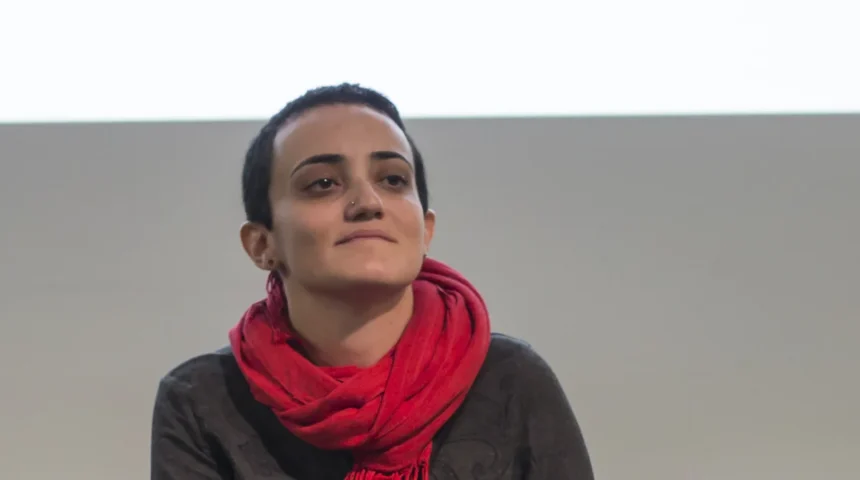
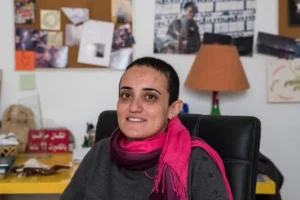
The Committee to Protect Journalists has issued a strong condemnation following the conviction of Lina Attalah, editor-in-chief of the prominent independent Egyptian news outlet Mada Masr. Attalah was found guilty on charges of operating an unlicensed website, a ruling that has sent shockwaves through the region’s remaining independent press corps. International press freedom advocates and legal experts are now urgently calling on Egyptian authorities to reverse the judicial ruling, release the esteemed journalist immediately, and put a definitive halt to what they describe as an escalating, systematic campaign aimed at crushing independent journalism in the country.
Mada Masr has long stood as one of Egypt’s foundational and few remaining independent media outlets, earning a reputation for rigorous, vital, and critical reporting on complex domestic issues. Because of its uncompromising commitment to public-interest journalism, the publication has consistently faced intense pressure, administrative hurdles, and direct restrictions from Egyptian authorities over the years. This volatile history of tension reached a critical threshold when the New Cairo Misdemeanor Court handed down its verdict, imposing a staggering 3 million Egyptian pounds fine—equivalent to approximately US$54,000—against Attalah. Furthermore, the court ordered the immediate closure of Mada Masr and the total confiscation of all its newsroom equipment.
In the wake of the verdict, Attalah was taken into custody. Two separate Egyptian legal representatives confirmed to the Committee to Protect Journalists that she will be forced to remain detained until the multi-million-pound fine is paid in full, a condition that critics argue effectively transforms financial penalties into open-ended arbitrary detention.
The judicial decision has drawn immediate and fierce condemnation from regional press freedom advocates. Sara Qudah, the Regional Director for the Committee to Protect Journalists, did not mince words when addressing the gravity of the situation.
"The conviction of Lina Attalah and the order to shut down Mada Masr represent a devastating blow to press freedom in Egypt and a direct message aimed at dismantling independent media in the country," Qudah stated. "Attalah and Mada Masr are among the most prominent voices in Egypt’s independent media landscape, providing critical reporting on issues of public interest that might otherwise go unreported. If Egypt can put in custody one of its most respected editors and shut down her newsroom, no independent journalist in the country is safe. Attalah must be released immediately, and Mada Masr must be allowed to keep reporting."
Serious procedural flaws and constitutional concerns quickly emerged from accounts of the trial proceedings. According to detailed reports from the courtroom, journalists and independent observers were barred from remaining inside during the most critical stages of the legal proceedings, severely compromising the principle of open justice. Furthermore, Attalah’s defense team was reportedly blocked from presenting vital procedural requests, which included motions to submit essential legal documents and call key witnesses to testify on behalf of the defense.
Compounding these due process violations, Attalah’s formal objection to the appointment of a court-mandated lawyer whom she had not chosen—and did not wish to represent her—was entirely disregarded by the bench. The court ultimately announced its sweeping verdict amidst vocal protests and formal objections from her legal team. Legal scholars and civil rights defenders note that these reported restrictions raise profound concerns regarding transparency, basic due process, and the fundamental right to a fair and impartial hearing under domestic and international law.
Echoing these deep concerns, Lobna Darwish, the advocacy director at the Egyptian Initiative for Personal Rights—whose specialized lawyers are part of Attalah’s broader defense team—offered a scathing assessment of the judicial process to the Committee to Protect Journalists.
"This was a farcical and highly exceptional trial that lacked the most basic rules of a fair trial and squandered Lina’s legal rights and those of her defense team," Darwish asserted.
The core charge against Attalah—operating an unlicensed website—stems from a protracted bureaucratic impasse. Mada Masr had repeatedly sought an official operating license from the relevant Egyptian regulatory authorities over the years. However, these administrative applications were either systematically rejected or simply left unanswered by state bodies. Legal analysts point out that prosecuting a prominent editor under these circumstances effectively weaponizes administrative regulations, turning routine bureaucratic gatekeeping into a powerful mechanism for silencing dissent and suppressing independent media outlets that refuse to tow the official line.
This dramatic ruling does not occur in a vacuum; rather, it forms a central piece of a much wider, unprecedented crackdown on Egyptian journalism as a whole. In recent weeks, the media landscape has been rocked by intensifying state pressure, most notably illustrated by the mass arrests of six journalists from the investigative journalism platform Matsadaash. The cumulative psychological and institutional effect of these aggressive actions is calculated to intimidate working reporters, heavily restrict investigative reporting on matters of deep public interest, and further shrink the already fragile space designated for independent storytelling and analysis.
Data compiled by the Committee to Protect Journalists highlights the grim reality of the broader regulatory and security environment. In the organization’s 2005 Annual Prison Census, Egypt was formally listed among the top jailers of journalists globally, holding 18 media workers behind bars amid harsh and deteriorating prison conditions. This atmosphere of hostility has only intensified, marked by continued retaliatory arrests targeting not only journalists themselves—such as the re-arrest of journalist Ismail Alexandrani over social media posts—but also expanding to encompass the family members of exiled media figures, including the father of exiled Egyptian podcast host Seif al-Islam Eid. By late October, statistical tracking indicated that no fewer than 25 journalists were currently behind bars in Egypt, representing the highest recorded number of detained media workers in the country since 2021.
Despite repeated efforts by international watchdogs to seek clarity on the opaque legal maneuvers underpinning these high-profile actions, avenues for official response remain largely closed. The Egyptian Public Prosecutor’s Office did not respond to detailed email inquiries sent by the Committee to Protect Journalists. These inquiries sought formal clarification regarding the exact legal basis for Attalah’s ongoing detention, the court’s abrupt refusal to allow the defense team to submit essential documents and call witnesses, and the controversial exclusion of a representative from the Journalists Syndicate from observing the courtroom proceedings.

Related News