Microsoft Pulls in $10 Billion From OpenAI in a Single Quarter, Highlighting Massive Financial Ties Amid Growing Competition
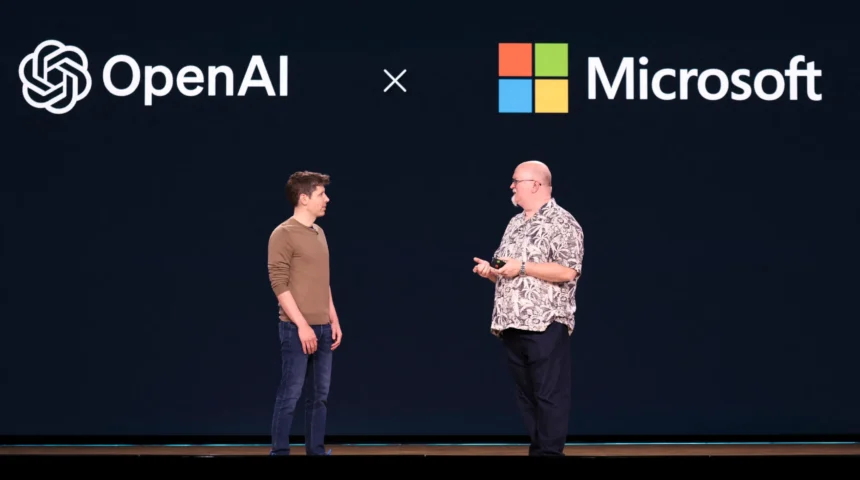
Microsoft generated a staggering $10 billion in revenue from commercial arrangements with OpenAI, including crucial revenue-sharing payments, during the fiscal quarter that ended September 30. The tech giant revealed the massive figures in a regulatory filing on Wednesday, underscoring the deep economic interdependence binding the two artificial intelligence powerhouses together, even as they increasingly vie for the exact same enterprise and consumer markets.
The $10 billion revenue figure accounts for nearly 11% of Microsoft’s total quarterly revenue of $92.3 billion for the period. Because Microsoft’s fiscal calendar begins in July, the quarter ending September 30 marked the official opening of the company’s 2027 fiscal year.
The sheer scale of the inflow demonstrates that despite recent strategic pivots toward a more open, competitive dynamic between the two companies, their financial fortunes remain fundamentally intertwined. For the full 2026 fiscal year, revenue streams flowing to Microsoft from OpenAI hit a remarkable $24.1 billion. Based on the momentum of this latest quarterly pace, Microsoft is on track to pull in an astonishing $40 billion annually from OpenAI-related business arrangements, cementing OpenAI as one of Microsoft’s most lucrative commercial partners in corporate history.
Alongside the record revenue, Microsoft’s latest SEC filing also reported $7.2 billion in outstanding receivables from OpenAI at the close of September. This figure represents an increase from the $6 billion in outstanding receivables recorded at the end of June. Company disclosures clarify that this money represents pending amounts that OpenAI officially owes Microsoft for previous transactions and cloud infrastructure consumption, rather than generating additional new revenue for the quarter.
While the financial metrics paint a vivid picture of billions changing hands, the exact mechanics behind how the money is split remain partially obscured. It remains unclear precisely how much of Microsoft’s massive revenue haul from OpenAI stems directly from revenue-sharing agreements versus consumption fees for Azure cloud computing services. TechCrunch previously reached out for clarification on the precise breakdown. In November 2025, leaked documents shed light on the mechanics of the relationship, revealing that Microsoft had collected $865.8 million in net revenue-sharing payments from OpenAI during just the first nine months of that year.
Industry reports suggest that OpenAI shares roughly 20% of its total revenue with Microsoft. This arrangement stems from a foundational multi-billion-dollar partnership deal in which the software giant invested more than $13 billion into the then-fledgling AI lab. Neither OpenAI nor Microsoft has ever publicly confirmed the exact percentage of the revenue share. However, under the terms of an updated agreement struck in April 2026, OpenAI remains legally bound to continue sharing a portion of its revenue with Microsoft through 2030, subject to a negotiated cap. Crucially, this agreement remains in effect even as OpenAI has secured the freedom to forge independent commercial relationships and work directly with competing cloud infrastructure providers.
The complex dance of cooperation and rivalry between the two firms began shifting in earnest in October 2025. At that time, the companies formally loosened the rigid exclusivity constraints of their initial alliance. Microsoft relinquished its tight grip on OpenAI’s operational structure, granting the startup greater latitude to partner with other cloud providers to meet its voracious computational needs. In direct exchange for this newfound operational freedom, OpenAI committed to an enormous purchasing obligation, agreeing to buy an additional $250 billion worth of Azure cloud computing services as part of the October 2025 pact.
This ongoing corporate evolution is also visible in Microsoft’s equity position in the artificial intelligence startup. Microsoft’s ownership stake in OpenAI experienced a slight dilution, dropping from approximately 25% in June down to 24% by the end of September. This incremental shift continues a gradual downward trend from roughly 27% following the corporate recapitalization that took place in October 2025. Microsoft did not explicitly detail the underlying corporate actions or financial transactions that caused the recent dilution of its equity share.
As both organizations continue to chart their respective paths in the rapidly accelerating artificial intelligence landscape—increasingly meeting as direct competitors for enterprise customers, developers, and cloud clients—the regulatory filings make one thing abundantly clear. The financial architecture built between Microsoft and OpenAI during the dawn of the generative AI boom continues to generate staggering sums, ensuring that their corporate destinies remain tethered together by tens of billions of dollars.

Related News