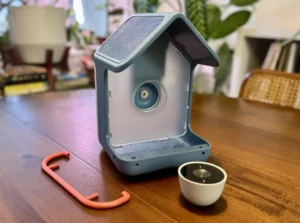
Putting Birdbuddy’s AI to the Test: Can Smart Feeders Recognize an Exotic Pet Parrot?
With smart bird feeders becoming increasingly sophisticated, manufacturers are making bold claims about the capabilities of their built-in artificial intelligence. Birdbuddy, one of the prominent names in the smart birdwatching technology market, states that the AI model powering its species identification feature can recognize approximately 11,000 different types of birds. According to the company, this expansive database covers virtually every known bird species in the world, promising backyard enthusiasts instant and accurate insights into the wildlife visiting their properties.
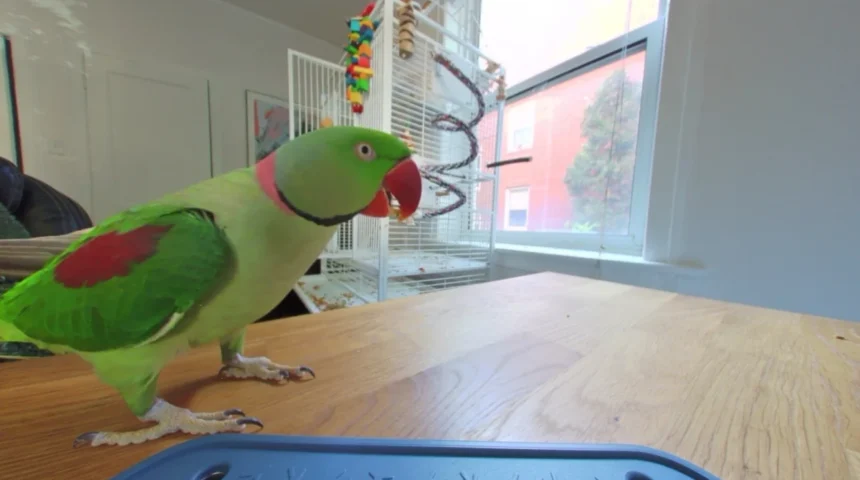
While testing the company’s two newly launched hardware additions—the Birdbuddy Home and the Birdbuddy Nook—one reviewer decided to put those sweeping AI claims to an unconventional test. Rather than pointing the camera exclusively at common backyard visitors like sparrows, finches, or blue jays, the review began indoors with a very specific, much rarer subject: Melon, an Alexandrine parakeet who calls an office-turned-birdroom in Chicago home.
The Contender: Meeting Melon the Alexandrine Parakeet
To understand why this test presented a legitimate challenge for the smart feeder’s technology, it helps to understand the subject. Alexandrine parakeets are an older, lesser-known species of chatty green parrots native to regions across southern and southeastern Asia. Unlike popular pet store birds, they are rarely found in standard chain pet stores, meaning they lack the broad mainstream familiarity of other parrot species.

Furthermore, Alexandrine parakeets are frequently confused with Indian ringneck parakeets, which are their much more popular relatives. While both birds share striking green plumage, Indian ringnecks are generally smaller, possess shorter tails, have smaller beaks, and crucially lack the distinctive crimson wing patches that characterize Alexandrine parakeets. For anyone active on social media platforms like TikTok, Indian ringnecks are relatively common digital celebrities—perhaps most famously represented by Hamlet, the viral parrot known for the internet-famous phrase "what doing???"
Given the rarity of the species and its striking visual similarity to its more famous cousin, the setup provided an ideal trial to see whether Birdbuddy’s machine learning model could genuinely differentiate between closely related, exotic avian varieties or if it would simply default to the most common statistical match in its vast database.
The Verdict
As soon as Melon came into view of the camera on the newly installed Birdbuddy Home device operating in the office, the system quickly registered activity. Shortly after the interaction, the Birdbuddy mobile app delivered a notification to the user’s phone, announcing that the feeding station had just received a visit from a "rose-ringed parakeet"—which is an alternative name for the Indian ringneck.

While the AI successfully identified the visitor as a member of the broader parakeet family, it ultimately missed the specific nuance distinguishing an Alexandrine parakeet from its close relative. Recognizing that the system had misidentified the bird, the reviewer utilized the app’s built-in feedback feature to submit a correction, letting the platform know that its guess, while close, was ultimately incorrect.
Of course, the result is hardly a damning indictment of the technology. In everyday practical applications, the vast majority of consumers will not have exotic, specialized pet parrots wandering around their living spaces or interacting with hardware designed primarily for outdoor deployment. The overwhelming majority of Birdbuddy users rely on the system to catalog native, regional wildlife visiting outdoor gardens, balconies, and yards.
Following the indoor experiment, the reviewer relocated the Birdbuddy Home device to its intended environment: mounted securely in the front yard of a Chicago apartment, awaiting the arrival of local urban wildlife, such as area pigeons and migratory songbirds.

The new Birdbuddy Home, priced at $219, alongside the more compact Birdbuddy Nook, priced at $99, are currently available for purchase for consumers looking to bring automated species identification to their own backyards.

Related News