U.S. Intelligence Memo Alleges Chinese State Security Targeted Nvidia CEO Jensen Huang Through Technology Executive
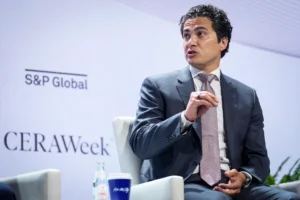
WASHINGTON — A U.S. intelligence memo circulated earlier this year alleges that technology executive Alice Huang was recruited by China’s Ministry of State Security to spy on Nvidia CEO Jensen Huang, according to multiple media reports that shed new light on the intersection of geopolitics, corporate leadership, and intelligence operations.
The sensitive assessment, which has drawn intense scrutiny from national security experts and industry watchers alike, was first reported by The New York Times. The document reportedly stems from U.S. intelligence findings regarding foreign influence and espionage efforts directed at key figures within the American technology sector. Following the initial disclosure, The Financial Times reported that the memo also claims Jensen Huang maintained a romantic relationship with Alice Huang, an executive associated with Megaspeed, a technology firm based in Singapore.
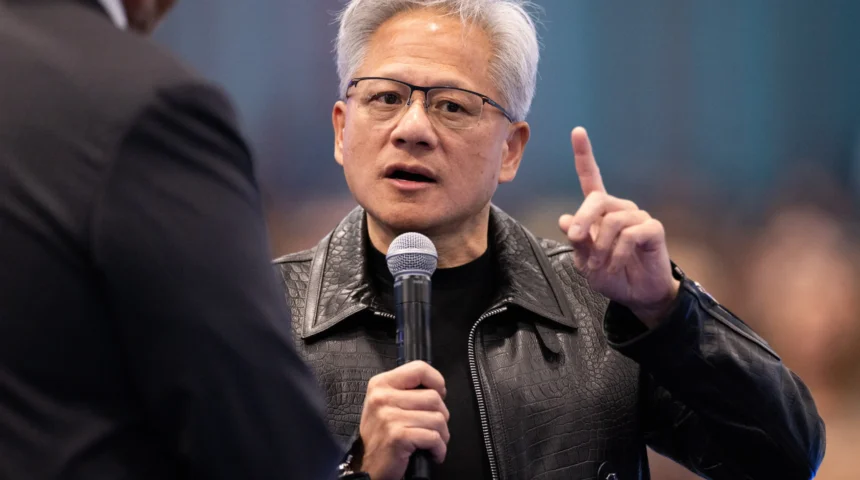
The allegations place one of the world’s most prominent technology executives at the center of an international counterintelligence investigation. As the chief executive of Nvidia, Jensen Huang has steered the company to unprecedented heights, making its high-performance semiconductors the indispensable engine behind the global artificial intelligence boom. Because Nvidia’s hardware underpins modern AI infrastructure for both commercial and research applications, the company and its leadership occupy a uniquely sensitive position at the geopolitical crossroads of the United States and China.
In response to inquiries regarding the intelligence memo, a spokesperson for Nvidia told The New York Times that Jensen Huang’s interactions with Alice Huang were "not unusual." Furthermore, the spokesperson emphasized a strict corporate boundary regarding sensitive assets, stating clearly that the company does not share classified information with its customers.

The revelation of the intelligence memo arrives amid heightened tensions and strict regulatory frameworks governing the export of advanced microelectronics. As the U.S. government implements rigorous export controls designed to restrict China’s access to cutting-edge artificial intelligence chips, the relationship between American semiconductor giants and international markets has faced unprecedented regulatory and investigative oversight.
This heightened scrutiny was underscored in a separate report published by The New York Times, which investigated New Matrix, a Chinese entity that had received authorization from the U.S. Commerce Department to purchase advanced Nvidia semiconductors. When reporters visited the physical corporate address listed by New Matrix in official filings, however, they discovered what was described as "a hollow gray shell." The apparent absence of legitimate business operations at the listed location has raised serious concerns among regulators and investigators that the entity could potentially function as a front company designed to skirt export restrictions on behalf of a blacklisted private equity firm or other restricted interests.
The intersection of authorized distribution channels, complex corporate shells, and foreign intelligence activities highlights the immense challenges facing both regulatory bodies and semiconductor manufacturers as they navigate global supply chains. Export compliance in the age of generative artificial intelligence requires balancing commercial expansion against stringent national security directives aimed at protecting critical American technological advantages.
Addressing questions regarding how its hardware is distributed and secured globally, the Nvidia spokesperson reiterated the company’s commitment to prioritizing domestic markets and adhering strictly to established legal frameworks. The spokesperson stated that Nvidia sells "the first, best and most of our technology in America," reflecting both the company’s compliance posture and the strategic priority placed on serving domestic technology infrastructure needs amid a fiercely competitive global landscape.

Related News