COEXPORT and UN Women Launch Strategic Alliance to Empower Women in El Salvador’s Export Industry.
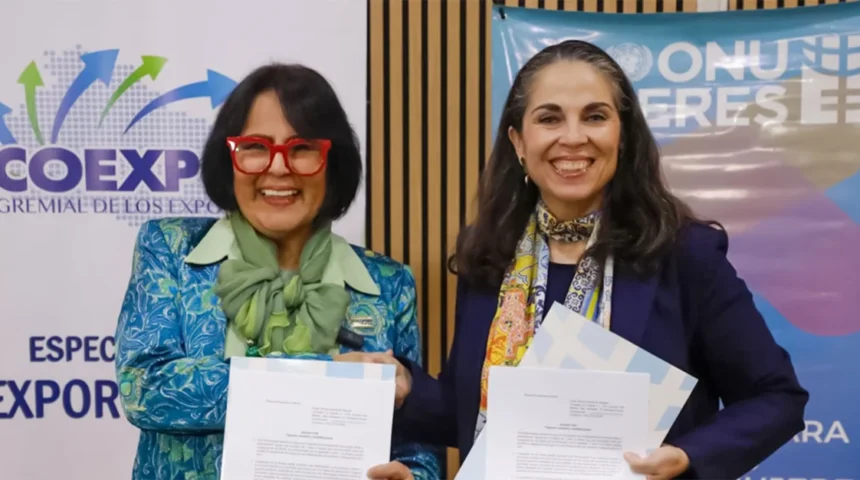
El Salvador’s Corporation of Exporters, widely known as Coexport, has officially signed a landmark memorandum of understanding with UN Women in a strategic move designed to advance gender equality as a fundamental driver of international competitiveness. This high-profile agreement builds directly upon the proven success of Coexport’s pioneering "Terminal Trucks" initiative, a vocational and industrial training program that successfully trained 200 local residents to operate heavy port machinery at the Port of Acajutla. Notably, 90 percent of the participants in that groundbreaking program were women, demonstrating both an untapped labor pool and a profound appetite among local women to enter traditionally male-dominated sectors.
Building on this momentum, the trade group is now actively expanding inclusive hiring practices across the nation’s vital supply chains and logistics networks. The newly minted agreement between Coexport and UN Women also establishes the essential groundwork for a specialized training academy. This upcoming educational institution will be specifically dedicated to developing female technical capabilities, executive leadership skills, and entrepreneurial competencies.
Elaborating on the broader social and economic implications of the partnership, Coexport President Silvia Cuéllar emphasized the direct line between targeted education and life-altering professional opportunities. During the official announcement and in subsequent statements, Cuéllar noted that training opens the door, but what truly changes lives is employment. When gender-focused training programs are meticulously designed and aligned directly with the real-world needs of the industrial sector, women successfully break into spaces and industries where they were rarely, if ever, present before.
Echoing these sentiments, UN Women representative Lourdes González Prieto highlighted the macro-economic benefits of these systemic workforce changes. González Prieto added that expanding women’s participation across every tier of the modern value chain creates fresh, sustainable opportunities for inclusive economic growth, ultimately strengthening the entire fabric of the national labor market.
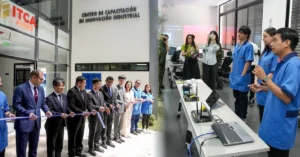
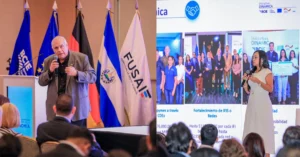
In a parallel and equally ambitious effort to modernize the broader Salvadoran workforce for the digital age, Coexport has joined forces with the NUMU Group under the framework of the CIBERLAMARR Project. This critical initiative is co-funded by the European Union and BID Lab, reflecting strong international confidence in El Salvador’s economic trajectory and digital development goals. Through this strategic partnership, the organizations plan to train 1,000 young Salvadorans in high-demand digital skills, creating a robust pipeline of tech-savvy talent ready to meet the demands of global markets.
Specifically, the CIBERLAMARR Project will certify 400 specialized cybersecurity agents alongside 600 experts in advanced data governance and artificial intelligence. To directly tackle entrenched gender disparities in the technology sector, at least 35 percent of the available scholarships within this digital program are strictly reserved for women. The overarching, long-term goal of these targeted quotas is to eventually achieve true gender parity across all high-tech digital fields in El Salvador.
This collaborative tech initiative deliberately connects local youth talent directly with the export market by offering structured internships, immersive workplace integration events, and specialized digital risk management workshops designed specifically for regional enterprises. Furthermore, Coexport has committed to facilitating formal job placements for at least 40 percent of the program’s graduates. By doing so, the organization is actively strengthening the operational resilience of Salvadoran exporters who must navigate an increasingly complex, digitized global commercial environment.
Detailing the technical scope of the project, NUMU Group representative Gerardo Lara noted that the program is actively equipping young Salvadorans with critical tools in cybersecurity and artificial intelligence while simultaneously helping regional exporters manage the escalating digital risks associated with online commercial operations and remote business management.
By seamlessly bridging social inclusion with rapid digital transformation, El Salvador’s export leadership is methodically fostering a more competitive, resilient, and adaptable national economy. These combined strategic alliances reinforce the Central American nation’s growing position in global trade by cultivating a diverse, highly skilled workforce that is thoroughly prepared for the demands of both heavy industrial logistics and modern, highly technical digital environments.

Related News