El Salvador Officially Launches 2027 Presidential Campaign Season as Bukele Seeks Historic Consecutive Term
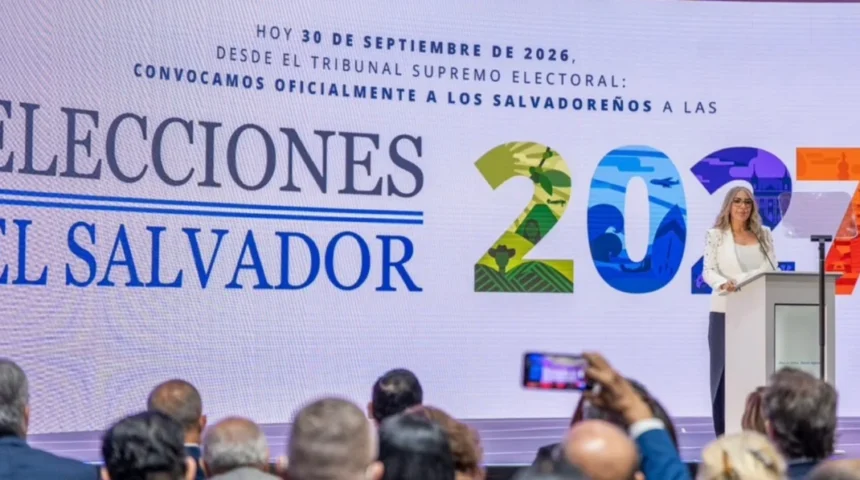
El Salvador officially opened its four-month presidential campaign period on Tuesday, October 27, marking the formal commencement of electoral activities leading up to the national vote scheduled for February 28, 2027. The opening of the campaign trail sets the stage for what is expected to be a highly anticipated electoral contest, with up to five presidential tickets anticipated to enter the race, even as several political parties continue finalizing their formal registration processes with the Supreme Electoral Tribunal.
The upcoming national election carries profound political significance for the Central American nation, as it will determine the executive leadership that will govern El Salvador for the country’s newly restructured six-year presidential term. The electoral landscape is anchored by the candidacy of incumbent President Nayib Bukele, the founder of the ruling Nuevas Ideas party, who is seeking another consecutive term in office alongside Vice President Félix Ulloa.
The path to this electoral cycle has been shaped by sweeping structural and constitutional changes enacted within the country’s legislative and political systems. President Bukele and Vice President Ulloa’s bid for another term follows pivotal constitutional modifications approved by the Legislative Assembly. These landmark legal adjustments established provisions permitting indefinite presidential reelection, extended the official length of the presidential term from five years to six years, and brought the national election forward from its originally projected timeline in 2029 to the accelerated date of February 2027.
Under El Salvador’s established electoral framework, the inauguration of the official campaign period grants registered political parties the legal authority to actively promote their presidential and vice-presidential candidates across the country. Parties can now engage the electorate through public rallies, media broadcasts, and policy presentations in accordance with national electoral regulations. However, electoral authorities have emphasized that while political promotion is now permitted under the campaign timeline, the formal registration of each individual ticket remains a mandatory, separate procedural requirement under the Salvadoran Electoral Code, and candidates must successfully complete all administrative prerequisites with the Supreme Electoral Tribunal to secure their place on the final election ballot.
As the campaign officially gets underway, the broader political arena is also seeing participation from the nation’s historical political establishment. El Salvador’s traditional political parties have stepped forward to announce their respective presidential tickets, positioning themselves to challenge the ruling party’s dominance. The Nationalist Republican Alliance, commonly known as ARENA, and the Farabundo Martí National Liberation Front, or FMLN—both of which served as former governing parties that historically alternated power in El Salvador prior to the rise of Nuevas Ideas—have formally presented their presidential tickets as they prepare to mount their campaigns for the upcoming national vote.
With the campaign period now active and the candidate registration process moving forward, El Salvador enters a critical political phase. The coming four months will see political organizations intensify their outreach efforts, debate national policies, and rally their respective bases across the country. As the calendar counts down toward the February 2027 general election, the nation prepares to decide the direction of its executive leadership for the next significant chapter in its contemporary political history.

Related News