The best iPhone to buy in 2026: We compare cameras, value, battery
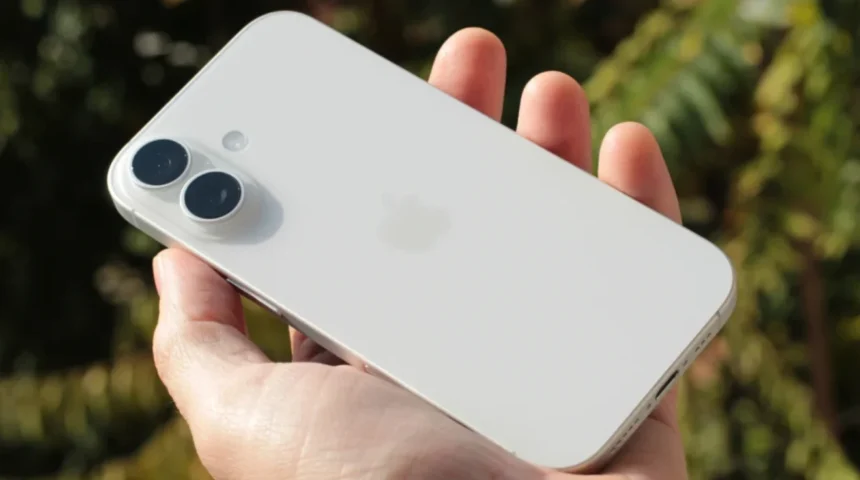
The current landscape was shaped initially in mid-September by the rollout of the iPhone 18 Pro and Pro Max, which brought refined camera systems, an upgraded vapor chamber cooling architecture, extended battery metrics, and an AI-optimized chipset. This was followed a month later by the arrival of the iPhone Duo, Apple’s highly anticipated first-ever foldable device. Senior editors and reviewers have highlighted the Duo as a landmark release, noting its potential to reshape user expectations for flexible screens.

These high-end entries join the existing baseline iPhone 17, the cost-effective iPhone 17e, and the ultra-slim iPhone Air to complete the 2026 roster. Operating under the umbrella of iOS 27, the entire family has undergone rigorous real-world testing to determine which models best serve specific consumer needs, ranging from casual daily use to heavy mobile gaming and professional content creation.

However, this generation of smartphones comes with a notable caveat. Apple’s devices have never been more powerful or functionally diverse, but they have also never been more expensive. The ongoing global memory crisis has driven up the cost of electronic components over the past year, resulting in price increases across nearly every current model. While the iPhone Duo avoided the most extreme price predictions circulating in pre-release rumors, it remains the most expensive iPhone ever produced. Similar upward price trends have affected competing manufacturers across the broader smartphone market, leaving buyers to carefully weigh whether high-end flagships justify their costs or if more wallet-friendly alternatives offer sufficient utility.

For the average consumer, the iPhone 17 remains the most well-rounded option in the lineup. While the iPhone 18 Pro variants and the Duo offer bleeding-edge technology, they often represent overkill for standard daily tasks. The iPhone 17 strikes a middle ground, delivering a fast, durable, and visually appealing experience without crossing the four-figure price threshold. It features a responsive 120Hz always-on display and a versatile ultrawide camera equipped with a dedicated macro mode, omitting only the advanced thermal and photographic configurations designed for power users. When compared against the budget-oriented iPhone 17e, the standard model offers a brighter and smoother screen, superior cameras, and roughly 15 percent more battery longevity, cementing its status as a compelling standard release.

Buyers seeking a more affordable entry point into the ecosystem can look to the iPhone 17e, which delivers core iOS features like FaceTime and Siri AI alongside MagSafe support at the lowest possible price. Compact and equipped with a sharp display, the device runs on the same A19 chip as the standard iPhone 17 and matches its generous starting storage capacity of 256GB, ensuring long-term software viability compared to its predecessor. While the camera system lacks an ultrawide lens and features a less capable front-facing sensor, it delivers improved low-light performance, making it a practical choice for budget-conscious buyers.

Photography enthusiasts and content creators prioritizing advanced imaging tools will find the iPhone 18 Pro to be the most appealing option in the professional tier. Sharing the primary technological advancements of its larger Pro Max sibling, the iPhone 18 Pro presents a more compact and manageable physical footprint. Its standout feature is a physical variable aperture built into the main camera lens, granting users manual or automatic control over exposure and depth of field. Additional software controls allow for precise adjustments to white balance, shutter speed, and newly introduced Photographic Styles, alongside advanced cinematic video effects and a Focus Tracking utility designed to maintain sharpness on moving subjects. Backed by the A20 Pro chip, the device also provides robust support for intensive AI tasks and accommodates up to 2TB of storage space.

For users prioritizing endurance above all else, the iPhone 18 Pro Max stands out as the longest-lasting handset in Apple’s history, rated for up to 45 hours of continuous video playback on a single charge. The device houses the same A20 Pro architecture and an enhanced vapor chamber cooling system designed to mitigate thermal throttling during extended periods of heavy use, such as high-settings mobile gaming. Its larger physical dimensions cater specifically to media consumers and mobile gamers seeking a more immersive display without committing to the structural complexity of a foldable device.

The most radical departure in the lineup is the iPhone Duo, which represents Apple’s engineering debut in the foldable category. Featuring a passport-style configuration, a smooth hinge mechanism, and a subtle inner display crease, the device bridges the gap between a traditional smartphone and a compact tablet. Users can operate it closed like a standard handset or unfold it to run multiple applications simultaneously, stream video, or take notes using a USB-C Apple Pencil. While its battery life performs similarly to the standard entry-level models rather than the Pro variants, and its interior camera setup reflects the typical compromises associated with first-generation foldables, the hardware execution offers enough functional novelty to justify its substantial investment.

Finally, the iPhone Air caters to users who prioritize physical aesthetics and minimalist design. Recognized as the thinnest handset Apple has produced, the Air features nearly invisible display bezels and a rear camera bump that sits flush with the titanium chassis. Powered by an A19 Pro chip, it offers brisk performance and a comfortable grip, though it sacrifices some battery endurance compared to thicker models. While its camera system lacks the versatility of the Pro series, it handles everyday snapshots and casual photography adequately, appealing primarily to those who value a sleek, pocket-friendly form factor above maximum hardware utility.

Related News